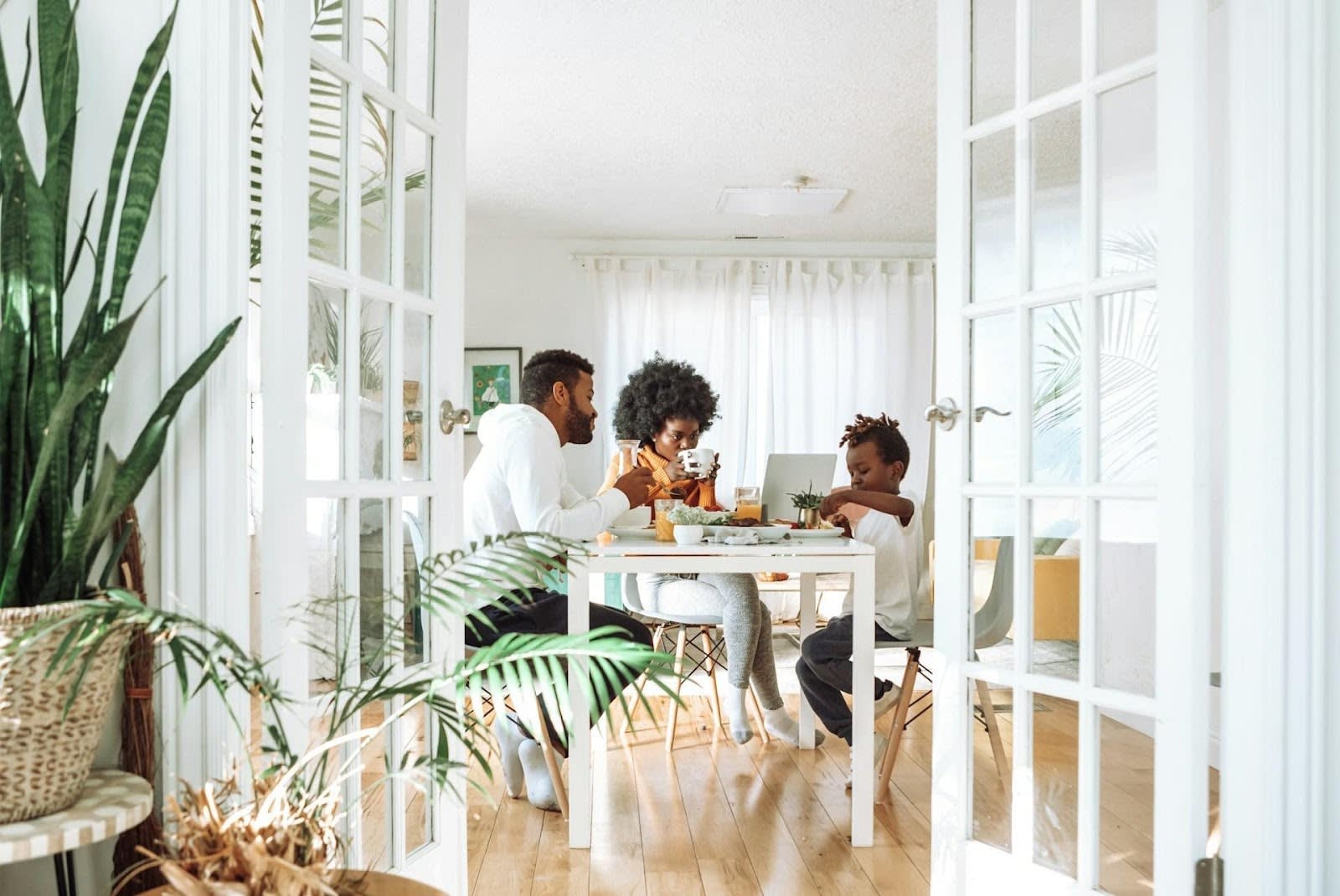
Ever walk into a room and immediately feel tense—without knowing why?
It might not be your mood. It might be the room. The way your space is laid out, how much natural light it gets, or even how furniture blocks a hallway can shift how you feel. In recent years, many people have started noticing how much their home environment affects their energy, focus, and comfort. Especially in places like Anaheim, where the sun shows up often but indoor life can still feel boxed in, comfort takes more than square footage.
It takes thoughtful use of light, smart layout choices, and a flow that matches how you live. These aren’t fancy design ideas. They’re practical details that quietly shape how each day feels—from your first cup of coffee to the last light you turn off at night.
In this blog, we will share how everyday comfort at home is built through light, space, and flow—and why these elements are more than just design buzzwords.
Let Light Work for You, Not Against You
Most people underestimate what natural light can do. It’s not just a way to brighten a room. It affects how alert you feel, how colors show up, and even how warm a space gets. If a room feels off, check the light first.
Sunlight boosts your mood, helps regulate sleep, and can lower the need for artificial lighting. But to get the most from it, you need the right windows in the right places. That’s where working with a reliable window installer in Anaheim becomes valuable. They understand how to maximize light without overheating a room or letting in too much glare.
Big windows are great, but quality matters more than size. Energy-efficient glass helps manage heat. Proper placement can help light reach further into a room. It’s not just about letting the sun in. It’s about guiding it to work with your daily routines.
Consider rooms where you spend mornings. Let light pour into those areas to help you wake up naturally. For spaces where you need calm, like bedrooms or reading corners, use filtered light or sheer curtains. Add mirrors to bounce light deeper into the room if your windows are limited.
Also, think about how lighting changes through the seasons. What works in winter may feel harsh in summer. Being able to adjust coverage and control glare keeps comfort consistent.
Layout Isn’t About Trend—It’s About Movement
You don’t need a wide-open layout to feel spacious. What you need is smart flow. That means being able to move through your space without detours, dead ends, or awkward squeezes.
If you’ve ever stubbed a toe on a badly placed ottoman or had to sidestep a coffee table just to leave the room, you’ve felt the problem. A room should support your movements, not interrupt them.
Start with how you enter each room. What’s the first thing you face? Is it a wall, the back of a chair, or a direct line of sight to a window? If your room makes you hesitate or shift directions, it needs better flow.
Pathways should be clear and direct. Furniture should fit the room, not just the Pinterest photo. If your table forces you to walk sideways, it’s too big. If you always avoid a certain spot, something about the layout isn’t working.
Try walking through your home like a guest. Do you have to ask where to sit? Do you feel blocked? If yes, then the space needs a reset.
Rearranging furniture doesn’t cost a thing, but it can completely change the way a room feels. Group seating in ways that encourage conversation. Keep walkways open. Let air move freely, especially in warm climates.
Good layout supports both movement and purpose. It invites you to use the space, not just look at it.
Flow Isn’t Just for Rooms—It’s for Routines
Comfort is about more than where the sofa sits. It’s about how your home supports what you actually do every day. That’s where flow comes in.
Flow means your space aligns with your habits. If you make coffee every morning, is the setup easy? If you work from home, can you switch from Zoom calls to lunch without dragging wires across the kitchen?
Map out your daily paths. From bed to bathroom. From front door to fridge. From couch to charger. If something slows you down, change it.
Store things where you use them. Keep high-traffic areas clear. Set up drop zones for bags, shoes, and mail. Every bit of friction you remove makes life feel lighter.
This doesn’t mean perfection. It just means purpose. Even small upgrades—like hooks where you need them, a better laundry basket, or a stool that fits under the counter—can change how smoothly your day moves.
And when your home flows with your routine, stress levels stay lower, and energy goes further.
Design for the Life You Live Today
Too many people design homes for guests they never invite. Or for routines they don’t actually follow. Real comfort comes when your space fits your real life—not the version you wish you had.
If you don’t use your formal dining room, turn it into a hobby space. If you never watch TV in the den, rethink that layout. Let go of what looks “right” and choose what feels right. Kids grow, schedules change, and seasons shift. Design that adapts with you is always more valuable than something that just looks good.
Choose surfaces that clean easily. Storage that’s easy to reach. Furniture that can move, stack, or flex depending on the need.
The New Standard Is Comfort That Lasts
We’re in an era where comfort matters more than ever. People are spending more time at home. Budgets are tighter. Expectations are higher.
It’s not about fancy upgrades. It’s about smart ones. Ones that reduce stress. Ones that help you breathe easier, sleep better, and feel more grounded.
The everyday comfort equation isn’t complicated. Light. Space. Flow. When those three elements align, a home feels more like a retreat than a list of chores.
And that feeling—of ease, support, and movement—isn’t a luxury. It’s the new baseline. So look around your space. Adjust what isn’t working. Highlight what is. And remember: small changes in the right direction can add up to a home that feels good every single day.
More in home

Venture
Write for entrepreneurs, founders, and builders.
Share startup lessons, growth tactics, and founder stories with readers on the same journey.
One free account across In Plain English, Stackademic, Venture, and Cubed.
How it works- Startups & entrepreneurship
- Marketing & growth
- Productivity & leadership
- Founder stories & lessons learned
Sign in
Google or GitHub
Complete profile
Takes a few minutes
Get approved & publish
Start sharing
Why write for Venture?
Entrepreneurship is rarely a straight path. The lessons worth sharing are learned while building.
Comments
Loading comments…