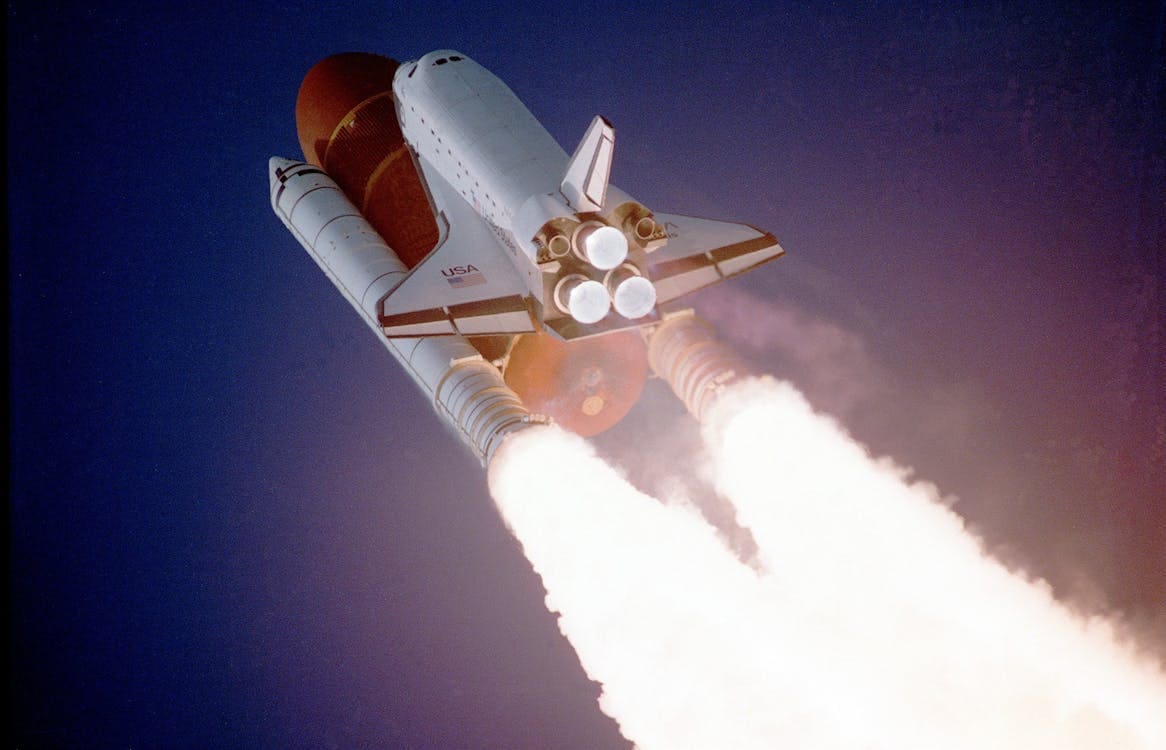
Have you ever looked up at the night sky and wondered, “Who actually gets to be part of all that?” For a long time, the answer was mostly “rocket scientists” and “astronauts.” But that’s changing—fast. The space economy has evolved into something much broader, blending science with commerce, media, tourism, law, and even art. Space is open for business, and this time, it’s not just for people in lab coats.
From Moonshots to Market Shares
The space economy used to be the exclusive domain of government agencies like NASA and Roscosmos. It was about Cold War rivalries, moon landings, and big science. Today, it’s more about launching satellites for global internet, mining asteroids for rare metals, or sending influencers to the edge of space for content creation. The private sector has reshaped the game, with players like SpaceX, Blue Origin, and Virgin Galactic normalizing space launches—and turning them into livestream events.
At the same time, costs have dropped. What once required a national budget can now be achieved by tech startups. CubeSats the size of shoeboxes can be built by college students and launched aboard commercial rockets. Entrepreneurs aren’t just watching from the sidelines; they’re raising capital, forming partnerships, and creating ventures with no physics degree required.
Degrees That Launch Careers Beyond Earth
If you think you need to be an aerospace engineer to work in space, think again. Today’s space economy is as much about business strategy, logistics, and branding as it is about propulsion systems. For example, someone with an online master's in commercial enterprise space might be preparing to manage the launch schedules of satellite fleets, handle customer contracts for microgravity labs, or oversee supply chain negotiations with spaceports in Texas or New Zealand.
At Florida Institute of Technology’s Master of Science in Commercial Enterprise in Space, students learn how business, policy, and technical decision-making intersect in today’s commercial space landscape, gaining skills that help them lead initiatives in global space ventures and private space firms.
The Billionaire Playground... for Now
Let’s be honest. The headlines about the new space economy often revolve around billionaires treating the upper atmosphere like a VIP lounge. Jeff Bezos floats in zero gravity, Richard Branson smiles mid-arc, and Elon Musk talks casually about Mars colonization. It can all feel a bit disconnected from real-world concerns.
But the billionaire space race—though flamboyant—is also a powerful signal. When the richest people on Earth are betting their money, reputations, and time on space, it sends a message to investors, insurers, regulators, and entrepreneurs that space is more than a spectacle. It’s a viable sector. And when viability becomes visibility, everyone starts paying attention—from Wall Street to middle school classrooms.
Streaming from the Stratosphere
Space isn’t just a science project anymore. It’s also content. There’s a reason why capsule launches trend on TikTok or why astronauts now tweet selfies from the International Space Station. Space is becoming part of pop culture.
Think about it: what used to be grainy government footage is now cinematic-grade livestreams narrated by charismatic engineers. Companies have realized that branding matters in orbit too. A rocket launch is not just a technical achievement—it’s a media event, a marketing tool, and an investor pitch rolled into one. Space has entered the attention economy.
This media-savvy approach also draws in a younger generation. Influencers apply for civilian astronaut programs. Kids stream rocket landings instead of cartoons. Future job seekers might list "orbital product unboxing" as a career milestone. We’re not just watching space; we’re engaging with it in real-time, and that changes everything.
Ground-Level Careers with Orbital Impact
Here’s where things get really interesting. You don’t need to work at NASA or SpaceX to be part of the space economy. Companies across logistics, data science, communications, insurance, cybersecurity, and even agriculture are now collaborating with space-based infrastructure.
Take Earth observation satellites. They help farmers analyze soil health and aid emergency responders during natural disasters. That means geospatial analysts, software developers, and data storytellers have roles directly tied to orbiting hardware. Same goes for insurance actuaries calculating launch risk or legal professionals drafting spaceflight liability policies. If it sounds boring, imagine being the first lawyer to write contract clauses about lunar real estate rights.
Why the Next Big Thing Might Not Even Leave Earth
Oddly enough, many of the most exciting space economy roles don’t require anyone to leave the ground. That’s good news for those who get motion sickness—or just prefer gravity. From climate researchers using satellite data to venture capital analysts funding space-tech startups, there's an entire ecosystem thriving without ever leaving the atmosphere.
Even more grounded are the educators, storytellers, and public communicators reshaping how we think about space. It’s not just about convincing people to go to Mars—it’s about showing how space affects life on Earth. Whether it's faster internet in rural America thanks to satellite constellations or tracking wildfires with orbital sensors, space is already part of daily life.
Ultimately, the space economy isn’t some distant dream for future generations. It’s right here, right now, and it’s hiring. And maybe, just maybe, it’s finally about more than just rocket science.
More in business
Venture
Write for entrepreneurs, founders, and builders.
Share startup lessons, growth tactics, and founder stories with readers on the same journey.
One free account across In Plain English, Stackademic, Venture, and Cubed.
How it works- Startups & entrepreneurship
- Marketing & growth
- Productivity & leadership
- Founder stories & lessons learned
Sign in
Google or GitHub
Complete profile
Takes a few minutes
Get approved & publish
Start sharing
Why write for Venture?
Entrepreneurship is rarely a straight path. The lessons worth sharing are learned while building.
Comments
Loading comments…