If you care about healthcare and education, nurse education sits at an interesting crossroads. You’re not only looking at a job path, but at a role that shapes how future nurses think, communicate, and handle pressure. In a health-focused space where workforce shortages and training quality keep making headlines, understanding this career can help you see where clinical experience meets leadership, mentoring, and long-term impact.
What a Nurse Educator Actually Does
When you picture a nurse educator, don’t limit it to someone lecturing in a classroom with a PowerPoint that has seen better days. Nurse educators work in colleges, universities, hospitals, and clinical training settings.
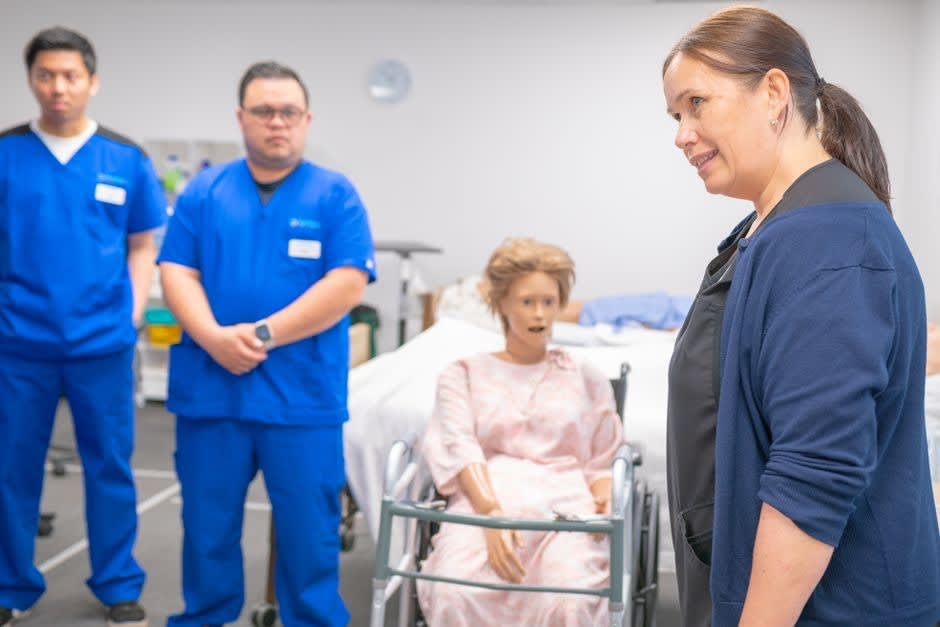
You might teach pharmacology, supervise simulation labs, coach students through patient communication, or help licensed nurses sharpen specialty skills. A clinical nurse educator, as outlined by St. Thomas University, often focuses on hands-on instruction in real care environments, where judgment, safety, and workflow matter just as much as textbook knowledge.
Your day could include lesson planning, evaluating student performance, updating training based on evidence-based practice, and working with healthcare teams. It’s part teacher, part mentor, part quality-control engine. In short, you’re helping prevent tomorrow’s mistakes before they reach a patient room.
Why This Career Matters More Than Ever
Healthcare systems need well-trained nurses, and that need has become impossible to ignore. Staffing shortages, burnout, and increasingly complex patient needs have raised the stakes for nursing education.
If fewer experienced professionals move into teaching, fewer students get trained well and on time. That bottleneck affects hospitals, clinics, long-term care facilities, and public health systems. You can see the ripple effect quickly: delayed clinical placements, overextended faculty, and fewer opportunities for personalized feedback.
As a nurse educator, you influence more than a syllabus. You help shape clinical reasoning, professional standards, and patient safety habits. One sharp instructor can improve how dozens of future nurses respond to emergencies, document care, and communicate with physicians.
That kind of influence doesn’t always get the spotlight, but in healthcare, quiet competence tends to save the day more often than dramatic heroics.
The Skills You Need Beyond Clinical Knowledge
Strong bedside skills matter, but teaching demands more than being excellent at patient care. You need to explain complex ideas clearly, read a room, and adjust your style when a student isn’t getting it.
Patience is huge. So is organization. You may be managing grading, curriculum goals, accreditation expectations, and clinical supervision all at once. If you can stay calm while answering five questions, solving a scheduling issue, and fixing a simulation lab glitch, you’re already speaking the dialect.
Communication also carries extra weight in this role. Students remember how you made them feel when they were unsure, overwhelmed, or one caffeine molecule away from collapse. Constructive feedback has to be honest without being demoralizing.
You’ll also need comfort with technology, including learning management systems, virtual simulations, and digital assessment tools. Modern nurse education is no longer all whiteboards and handouts.
Education Paths That Can Open More Doors
Your route into nurse education can vary depending on where you want to teach. Many academic and leadership-focused roles prefer advanced degrees, especially in colleges and universities.
In real terms, that means building expertise not only in teaching, but also in healthcare improvement, policy awareness, and organizational decision-making.
Some nurses begin teaching with a BSN or MSN and later pursue doctoral education as their responsibilities expand. Others move into staff development roles in hospitals first, then transition into academia.
The best choice depends on your goals. Teaching bedside skills in a hospital education department can look very different from designing graduate-level coursework. Either way, employers often value a mix of credentials, clinical experience, and teaching ability rather than one perfect formula.
Where You Can Work and What the Job Looks Like
Nurse educators aren’t locked into one setting, which makes this career more flexible than many people assume. You can work in community colleges, four-year universities, teaching hospitals, private health systems, and specialty training centers.
Some roles focus on pre-licensure nursing students. Others involve onboarding new hires, running continuing education, or training nurses on updated equipment and protocols. In large hospital systems, educators may specialize in emergency care, critical care, pediatrics, or perioperative services.
The schedule can vary too. Academic positions may follow semester rhythms, while clinical education jobs often move with patient care demands and staffing realities. Translation: some days feel carefully planned, and others get hijacked by urgent needs.
Salary ranges depend on geography, credentials, and setting. Universities may offer one compensation structure, while hospital-based roles may offer another, especially if specialty knowledge is in short supply.
Challenges You Should Know Before You Commit
This career can be deeply rewarding, but it isn’t soft-focus inspiration all day. You’re responsible for helping students become safe, competent professionals, and that pressure is real.
You may deal with students who are bright but underprepared, emotionally stressed, or struggling in clinical settings. Giving fair evaluations can feel tough when someone is trying hard but not meeting standards. Passing everyone helps nobody, especially future patients.
There’s also the challenge of balancing educational ideals with real-world healthcare constraints. Clinical placement shortages, faculty shortages, and administrative demands can limit what you’d like to do. In some institutions, educators are expected to teach, advise, document outcomes, and serve on committees with little extra time.
Still, many educators stay because the work has visible meaning. Watching a nervous student grow into a capable nurse can be more satisfying than many job titles with flashier branding.
How You Can Start Exploring the Role Now
If this path interests you, start by looking at your current environment. Notice which nurses are good at teaching during orientation, skills labs, or clinical debriefs. Ask what their roles involve and what credentials helped them move into education.
You can also volunteer for mentoring, precepting, or staff training opportunities. Those experiences show whether you enjoy explaining concepts, correcting mistakes, and building someone else’s confidence. It’s one thing to know a skill. Teaching it without overwhelming someone is a different craft.
Research job descriptions in both academic and hospital settings. Pay attention to repeated requirements such as clinical experience, graduate education, curriculum development, and instructional technology familiarity.
If you like the idea of combining healthcare expertise with long-term influence, nurse education deserves a serious look. You won’t just treat patients. You’ll help shape the people who care for them next.
More in healthcare
Venture
Write for entrepreneurs, founders, and builders.
Share startup lessons, growth tactics, and founder stories with readers on the same journey.
One free account across In Plain English, Stackademic, Venture, and Cubed.
How it works- Startups & entrepreneurship
- Marketing & growth
- Productivity & leadership
- Founder stories & lessons learned
Sign in
Google or GitHub
Complete profile
Takes a few minutes
Get approved & publish
Start sharing
Why write for Venture?
Entrepreneurship is rarely a straight path. The lessons worth sharing are learned while building.
Comments
Loading comments…