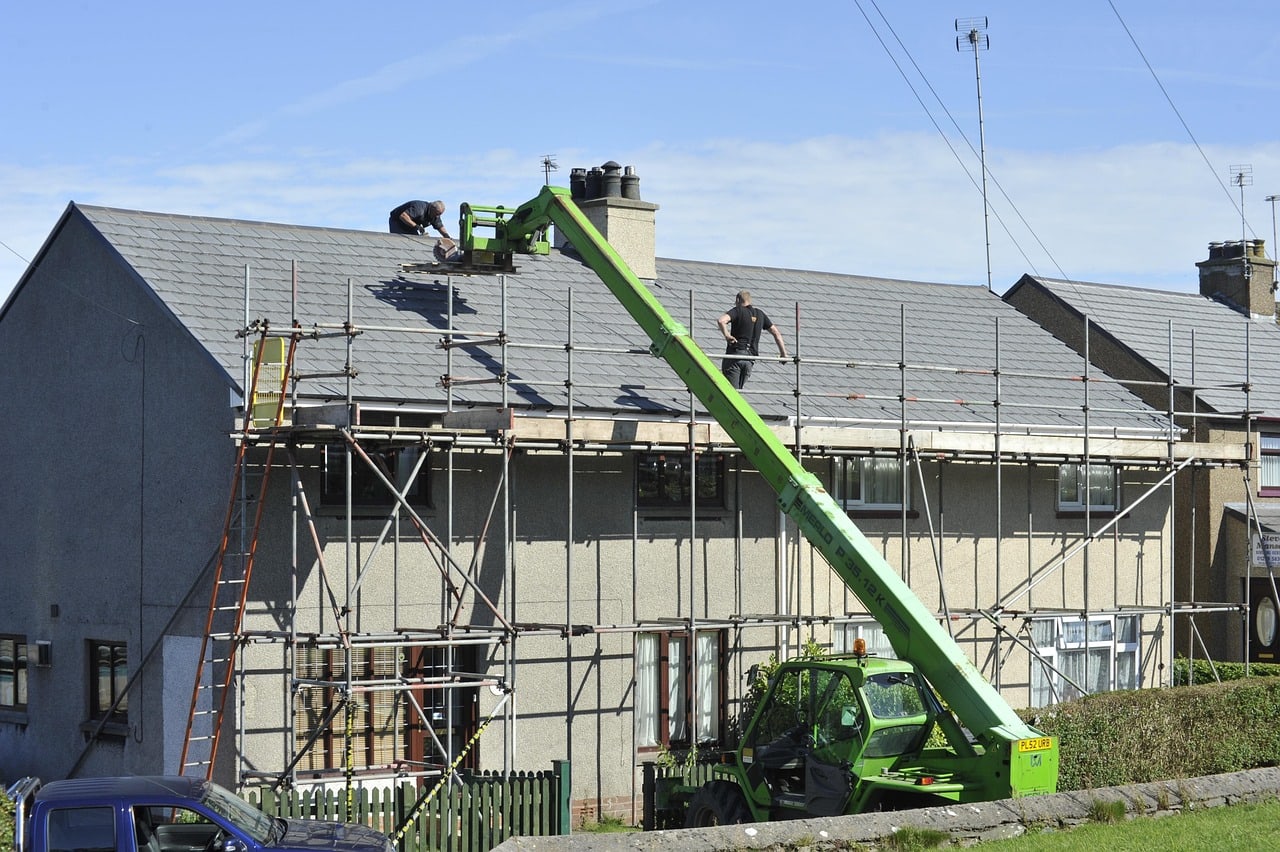
Your roof does more than complete your home’s appearance. It protects your household from rain, wind, heat, and cold while helping maintain comfort throughout the year. Roofing problems rarely begin with a dramatic leak or sudden collapse. More often, they start with subtle warning signs that are easy to overlook until water stains appear or repair costs begin rising. In Salem, where the city typically receives around 40 inches of precipitation each year, and most of it falls between October and April, roofs are exposed to months of wet weather that can gradually wear down shingles, flashing, and seals.
Spot Early Warnings
Roof issues often show up long before they become emergencies. Some signs are visible from the ground, while others appear inside the house. Missing, cracked, or damaged shingles are among the clearest indicators that a roof is wearing down. Inside, dark ceiling stains, peeling paint near the tops of walls, damp attic areas, or wet insulation can all suggest moisture is getting where it should not.
Another common clue is granules collecting in gutters. These small grit-like particles come from asphalt shingles and help protect them from the elements. When shingles begin losing too many granules, they are usually aging and becoming less effective.
Moss growth also deserves attention. While it may seem minor, moss traps moisture and keeps roofing materials damp longer than they should be. Over time, that can speed up deterioration. Drafts in the attic may also point to roofing trouble, even if exterior damage is not immediately obvious.
If several of these warning signs appear at once, it may be time to compare repairs with replacement and speak to a roofing contractor in Salem. Acting early usually means more options, lower costs, and a better chance of avoiding major leaks.
Check Curb Appeal
Because the roof covers such a large portion of your home’s exterior, its condition has a major impact on the overall appearance. Even a well-kept yard and clean siding can be overshadowed by a roof that looks old or worn. Curled shingles, discoloration, sagging rooflines, or patchy sections can make the whole property seem neglected.
That matters whether you plan to stay for years or may sell in the future. A tired-looking roof can make the home feel older than it really is. Buyers pay close attention to roofing because they know replacement is a significant expense. Visible wear can make them assume hidden issues may exist as well, which may affect negotiations.
Refreshing the roof can quickly improve how the home presents itself. It can make the structure look better cared for, support resale value, and increase pride in ownership. In that sense, a roof update is both a practical improvement and a visual one.
Think About Weather
Weather puts constant pressure on a roof, even when there are no major storms. Rain can work its way into tiny weak spots, while wind can loosen shingles and shift flashing around chimneys, vents, and roof edges. Temperature changes matter too. Roofing materials expand in heat and contract as temperatures drop, and that repeated movement gradually wears them down.
In areas with long wet seasons, roofs often go through repeated soaking and drying cycles. That kind of exposure can shorten the lifespan of materials faster than many homeowners expect. Nearby trees add another layer of risk, especially when branches scrape against the roof during windy weather. Over time, that friction can wear away protective surfaces and create vulnerable areas.
You do not need expert roofing knowledge to understand local impact. Just consider what your roof faces each year. Frequent rain, strong winds, heavy moisture, or sharp temperature swings can all make a roof age faster than it appears from a quick glance.
Compare Repair Costs
Not every roofing problem means full replacement is necessary. If damage is limited to one section and the rest of the roof is in good condition, a repair may be the most sensible option. However, repeated patching can become both expensive and frustrating.
If you are paying for one repair after another, it is worth stepping back and looking at the bigger picture. Replacing a few shingles, fixing flashing, and addressing recurring leaks can add up quickly. Meanwhile, hidden moisture may be affecting insulation, attic materials, or interior ceilings.
A larger roofing update may cost more upfront, but it can reduce future repair needs and provide stronger long-term value. Older roofs can also affect energy efficiency. If heated or cooled air escapes through weak spots, your HVAC system has to work harder, which may increase utility bills. Looking beyond the immediate repair invoice often helps homeowners make a more practical financial choice.
Plan Around Timing
Roof work is usually less stressful when it is planned before an emergency happens. Waiting until water is actively dripping into the house creates urgency and limits your options. Planning ahead gives you time to compare estimates, review material choices, and schedule the project in a way that fits your household.
Budget is one major factor. Some homeowners prefer to plan larger projects around tax refunds, bonuses, or annual savings goals. Weather matters too, since dry and mild conditions often make installation smoother and allow the job to move more quickly.
Personal timing should also be considered. If you have guests visiting, children returning to school, or travel planned, choosing a less hectic time can make the process easier. Roofing projects are manageable, but they do involve noise, work vehicles, and daily activity around the property. A little planning can make the experience much more comfortable.
Ask Better Questions
Choosing the right roofing professional becomes easier when you know what to ask. You do not need technical language or industry experience. Straightforward, practical questions are often the most helpful.
Ask how long the project is expected to take and what materials are being recommended. It is also smart to ask whether there are options at different price levels so you can compare overall value, not just the lowest cost.
Cleanup and property protection matter as well. Ask whether debris and nails will be removed daily and how landscaping or nearby surfaces will be protected. Warranties are another important topic. Find out what the manufacturer covers and what labor warranty the contractor includes.
Communication should be discussed too. Ask who your main point of contact will be and how updates will be handled if weather or other issues affect the schedule.
Helpful questions include:
- What is the expected timeline?
- What materials will be installed?
- How will cleanup be handled?
- What warranties are included?
- How will project updates be communicated?
More in business
Venture
Write for entrepreneurs, founders, and builders.
Share startup lessons, growth tactics, and founder stories with readers on the same journey.
One free account across In Plain English, Stackademic, Venture, and Cubed.
How it works- Startups & entrepreneurship
- Marketing & growth
- Productivity & leadership
- Founder stories & lessons learned
Sign in
Google or GitHub
Complete profile
Takes a few minutes
Get approved & publish
Start sharing
Why write for Venture?
Entrepreneurship is rarely a straight path. The lessons worth sharing are learned while building.
Comments
Loading comments…