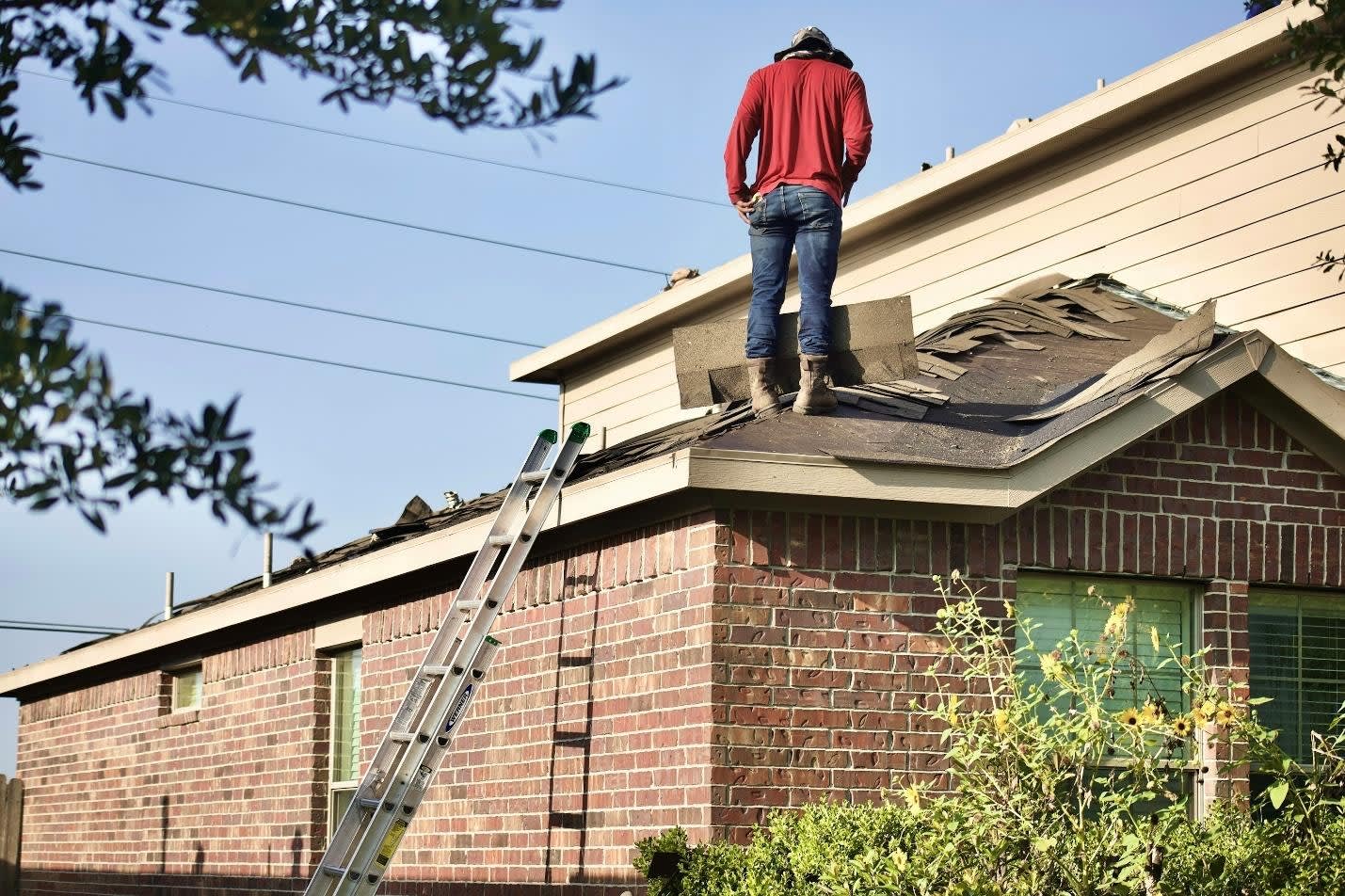
Every homeowner faces the same question at some point: keep fixing the problem or move on to something new. Minor issues are part of owning a home, yet repeated repairs often signal something more serious. Shingles that lift again after the last patch, appliances that need service every few months, and rising utility bills all point to systems that are losing reliability. Constant fixes may feel responsible in the moment, though they can quietly drain time and money.
Homes in Tumwater, Washington, carry strong long-term value, which makes smart maintenance decisions even more important. Protecting that investment requires more than reacting to visible damage. A thoughtful evaluation of cost, age, performance, and safety helps determine when repairs are simply delaying the inevitable.
Age of the System Matters
Each major component in a home comes with an expected lifespan. Roofs typically last a few decades, depending on materials. HVAC systems often perform well for 15 to 20 years. Water heaters and windows also follow predictable timelines.
Problems tend to cluster once equipment moves past its prime. Parts wear down, efficiency drops, and small breakdowns appear more frequently. A repair might restore function temporarily, though it rarely reverses overall aging. Costs also rise because older systems may require harder-to-find parts or more labor-intensive service.
Roof Condition and Structural Integrity
Roof issues often develop gradually. A few missing shingles or minor flashing damage can be repaired without major expense. Localized leaks or storm-related damage may also justify targeted fixes. Clear documentation from inspections helps determine whether the problem remains contained.
Concerns grow when damage spreads across multiple sections. Curling shingles, granule loss, sagging areas, and repeated leaks suggest deeper wear. Furthermore, water intrusion can weaken decking and compromise insulation, leading to broader interior damage. If you’re looking for a company that handles roof replacement in Tumwater, choose one with certified crews and clear warranties. A reputable contractor conducts a full inspection of ventilation, underlayment, and structural supports before recommending the next steps. Thorough evaluations prevent unnecessary spending on temporary patches. Replacement becomes the practical choice when repair no longer protects the structure as a whole.
HVAC Systems: When Heating and Cooling Repairs Add Up
Heating and cooling systems rank among the most expensive components in a home. A single repair, such as replacing a capacitor or thermostat, rarely justifies full replacement. Trouble begins when breakdowns become seasonal. A compressor fails one summer, the blower motor struggles in winter, and refrigerant leaks appear the following year. Each visit restores operation, yet overall reliability continues to decline.
Older furnaces and air conditioners also lose efficiency over time. Parts wear down, airflow weakens, and energy consumption rises. Once repair costs begin stacking up and performance drops, replacement becomes the more practical investment. A modern HVAC system delivers consistent comfort, improved efficiency, and fewer surprise service calls.
Plumbing Systems: Aging Pipes and Water Heaters
Plumbing failures often begin quietly. Small leaks under sinks, declining water pressure, or inconsistent hot water may not seem urgent. Older galvanized pipes corrode internally, restricting flow and increasing the risk of hidden leaks. Water heaters lose efficiency as sediment builds up and heating elements wear out.
Repairing a valve or replacing a heating element makes sense when the system remains in solid condition. Frequent leaks in multiple locations or repeated water heater failures signal broader deterioration. Replacement improves water quality, stabilizes pressure, and reduces the risk of costly water damage.
Electrical Systems: Capacity, Safety, and Modern Demand
Electrical systems face increasing strain as homes add appliances, charging stations, and advanced electronics. Flickering lights, tripped breakers, and outdated panels often point to capacity limits. Replacing a single breaker may restore power temporarily, yet it does not expand overall capability.
Older panels may also fall short of current safety standards. Aluminum wiring, undersized service capacity, and aging connections create potential hazards. Upgrading the electrical system ensures safe distribution of power and supports modern usage demands. Replacement in this context centers on protection as much as performance.
Windows and Insulation: Comfort and Efficiency Decline
Windows and insulation play a direct role in comfort and energy control. Drafts, condensation between panes, and difficulty opening or closing windows suggest structural wear. Adding temporary sealing products may reduce air leakage for a short period.
Aging insulation also settles and loses effectiveness, leading to uneven temperatures and higher energy bills. Replacing outdated windows and upgrading insulation improve indoor comfort and reduce strain on HVAC systems. The benefits extend beyond appearance to measurable efficiency gains.
Appliances and Major Equipment: Reliability Over Time
Large appliances such as refrigerators, ovens, washers, and dryers follow predictable life cycles. A single repair often restores function at a reasonable cost. Repeated failures in key components, such as motors or control boards, indicate broader wear.
Older appliances also consume more energy and lack modern safety features. Replacement delivers improved efficiency, quieter operation, and updated technology. When repair costs approach a significant portion of replacement value, investing in new equipment often proves more practical.
Foundation and Framing Issues
Structural elements demand careful evaluation. Small cracks in drywall may result from normal settling. Expanding foundation cracks, uneven floors, or persistent door misalignment may indicate deeper issues.
Temporary cosmetic repairs conceal symptoms without correcting root causes. Structural replacement or reinforcement addresses long-term stability. Protecting the framework of the home safeguards every other system connected to it.
Siding and Gutters
Siding and gutter systems shield the home from moisture. Minor damage, such as a cracked panel or loose gutter section, can usually be repaired quickly. Widespread rot, warping, or persistent drainage problems suggest aging materials. Replacement improves weather resistance and prevents moisture intrusion.
Updated materials also enhance curb appeal and reduce ongoing maintenance needs. Ignoring ongoing exterior deterioration often leads to hidden water damage inside walls and around the foundation. A timely upgrade protects structural components and preserves the overall integrity of the home.
Each system in a home follows its own life cycle, yet the tipping point follows a consistent pattern. Isolated repairs make sense when performance remains strong and costs stay controlled. Replacement becomes the smarter choice once aging, repeated breakdowns, safety concerns, and rising expenses begin to overlap.
A careful system-by-system evaluation provides clarity. Thoughtful timing protects comfort, preserves property value, and reduces long-term costs. Recognizing when to replace instead of repair keeps a home dependable for years to come.
More in design

Venture
Write for entrepreneurs, founders, and builders.
Share startup lessons, growth tactics, and founder stories with readers on the same journey.
One free account across In Plain English, Stackademic, Venture, and Cubed.
How it works- Startups & entrepreneurship
- Marketing & growth
- Productivity & leadership
- Founder stories & lessons learned
Sign in
Google or GitHub
Complete profile
Takes a few minutes
Get approved & publish
Start sharing
Why write for Venture?
Entrepreneurship is rarely a straight path. The lessons worth sharing are learned while building.
Comments
Loading comments…