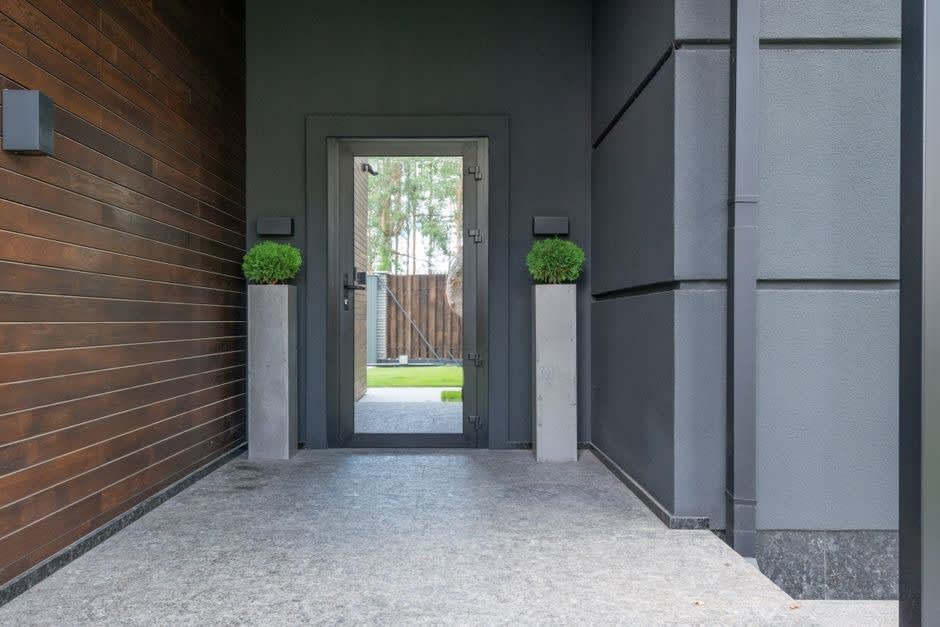
Your front door does more than welcome people in. It blocks weather, affects energy bills, shapes curb appeal, and can either help or hurt your home’s security. If you live in a storm-prone area, that job gets a lot more serious. Wind pressure, flying debris, and heavy rain don’t care how stylish your entryway looks. You need a door system that can handle real conditions without turning your house into a pressure chamber with throw pillows.
Your Front Door Has a Bigger Job Than You Think
When you think about exterior upgrades, doors rarely get the celebrity treatment. Windows get the drama, roofs get the budget, and siding gets the before-and-after photos. Your door quietly does critical work every single day.
It helps control indoor temperature, keeps moisture out, reduces outside noise, and supports your home’s security plan. In severe weather, it also becomes part of your structural defense. A weak door can fail under pressure, especially if the frame, hardware, or installation isn’t up to the task.
That matters more than many homeowners realize. During major storms, door failure can allow wind and water into your home fast. Once pressure builds indoors, the damage can escalate quickly.
A solid upgrade isn’t only about swapping one slab for another. You’re choosing a system: the door, frame, hinges, threshold, weatherstripping, and lockset all need to work together. If one part is subpar, the whole setup can underperform when it counts.
Storm Protection Calls for More Than a Heavy Door
A door can feel sturdy and still be the weak link in a storm. Weight alone doesn’t equal performance. In hurricane-prone regions, you need tested assemblies designed to handle impact and pressure changes, not just something that looks robust in a showroom.
That’s where hurricane rated doors come into the conversation. They’re built and installed to meet stricter standards for wind resistance and impact performance, helping protect your home when debris turns airborne and weather gets aggressive.
If you live in a coastal area or any region with regular severe storms, ask about local code requirements, product approvals, and installation methods. A properly rated door can support both safety and insurance considerations. Nobody wants to learn the fine print while boarding up windows in sideways rain.
Materials Matter More Than Marketing Buzzwords
Door materials all come with trade-offs, and brochures tend to gloss over them. Wood looks rich and classic, but it can warp, swell, or require more maintenance in humid climates. Steel offers strength and security, though it may dent and can conduct heat more easily without proper insulation.
Fiberglass often lands in the sweet spot for many homes. It’s durable, lower maintenance, and can mimic wood without demanding the same upkeep. It also holds up well in coastal or high-humidity environments, which makes it practical, not just pretty.
When comparing options, look beyond the surface finish. Pay attention to:
- Core construction and insulation
- Resistance to moisture and corrosion
- Frame material and reinforcement
- Energy performance ratings
- Maintenance needs over time
A cheap door can become an expensive habit if it needs constant repairs, repainting, or replacement hardware. The smartest buy usually balances performance, appearance, and long-term durability rather than chasing the lowest upfront price.
Installation Quality Can Make or Break the Upgrade
A high-performance door installed badly is like putting racing tires on a shopping cart. The product may be excellent, but the result won’t be. Fit, anchoring, sealing, and alignment all affect how the door performs over time.
Poor installation often leads to familiar headaches:
- Air leaks around the frame
- Water intrusion at the threshold
- Sticking or misalignment
- Locking problems
- Premature wear on hinges and weatherstripping
In storm-prone areas, installation errors can become much more serious. If the frame isn’t secured correctly or the door isn’t sealed to spec, your upgrade may not perform the way its rating suggests.
Ask your contractor detailed questions. Will they inspect the rough opening? Are they replacing the frame or retrofitting into the old one? How are they handling flashing and water management? Can they explain local code compliance in plain English?
A good installer won’t dodge those questions. They’ll answer clearly, outline the process, and explain what your home actually needs instead of reading from a sales script with too much caffeine.
Design Still Counts, but Function Should Lead
You don’t have to choose between a safe door and a good-looking one. Modern exterior doors come in a wide range of styles, finishes, glass configurations, and hardware options. You can upgrade performance without making your entryway look like a commercial bunker.
Still, design choices affect function. Decorative glass can reduce privacy and may change energy performance. Dark finishes can absorb more heat in sunny climates. Oversized doors can look impressive, but they may require stronger hardware and more precise installation.
Before you choose a style, think about how the entry gets used:
- Does it face direct afternoon sun?
- Is it exposed to driving rain?
- Do you need more natural light in the foyer?
- Are kids, pets, or frequent deliveries part of daily traffic?
- Do you want smart lock compatibility?
Those details help narrow the field faster than flipping through style photos alone. The best-looking door is the one that fits your home, your climate, and your daily routine without turning basic entry into a maintenance side quest.
What to Ask Before You Commit to a Purchase
A door upgrade can feel straightforward until quotes start coming in with wildly different prices and vague descriptions. One estimate includes premium hardware, another excludes installation details, and suddenly you’re comparing apples to armored pineapples.
A few smart questions can cut through the noise. Ask what’s included in the quoted price, whether the frame is being replaced, what warranty covers labor versus materials, and how long the project should take from ordering to installation.
You should also ask about certifications, energy ratings, and code compliance if you live in an area with storm exposure. If a contractor talks around those details, take that as useful information.
Most important, think in terms of value instead of sticker shock. A better exterior door can improve comfort, reduce energy loss, strengthen security, and hold up longer under real-world stress.
A front door sits at the intersection of design, safety, and daily use. Pick one with intention, and you’ll feel the difference every time you turn the handle. That’s a home upgrade with actual staying power, not just curb appeal for the group chat.
More in business
Venture
Write for entrepreneurs, founders, and builders.
Share startup lessons, growth tactics, and founder stories with readers on the same journey.
One free account across In Plain English, Stackademic, Venture, and Cubed.
How it works- Startups & entrepreneurship
- Marketing & growth
- Productivity & leadership
- Founder stories & lessons learned
Sign in
Google or GitHub
Complete profile
Takes a few minutes
Get approved & publish
Start sharing
Why write for Venture?
Entrepreneurship is rarely a straight path. The lessons worth sharing are learned while building.
Comments
Loading comments…