How I Found a $450K Revenue Risk Using Google Analytics (Google Merchandise Store)
6 min readOgbonna Patrick Ebuka
Every day, I look inside Google Analytics accounts and see scaling companies literally setting their marketing dollars on fire. Most founders think they have a traffic problem. They spend thousands of dollars on agency retainers and ad spend to pump more eyes into their website, wondering why the bottom-line revenue isn’t moving.
But when you audit the actual user behavior, the truth is usually much more brutal: They don’t have an acquisition problem. They have a conversion risk problem. They are pouring high-intent traffic into a leaky bucket.
I recently pulled the custom Funnel Exploration for the Google Merchandise Store. By digging past the vanity metrics and segmenting the traffic by user history, I uncovered a massive structural blind spot. Because of first-time user friction, this store is actively exposing itself to a $450,000 revenue risk.
Here is exactly how I diagnose a funnel like this and the strategic execution roadmap I use to fix it.
Two Massive Revenue Risks
While it is entirely normal for marketing funnels to narrow, the drop-offs at the very beginning of this specific user journey are staggering. The macro data immediately pointed me to two critical failure points:
1. The Bounce Risk
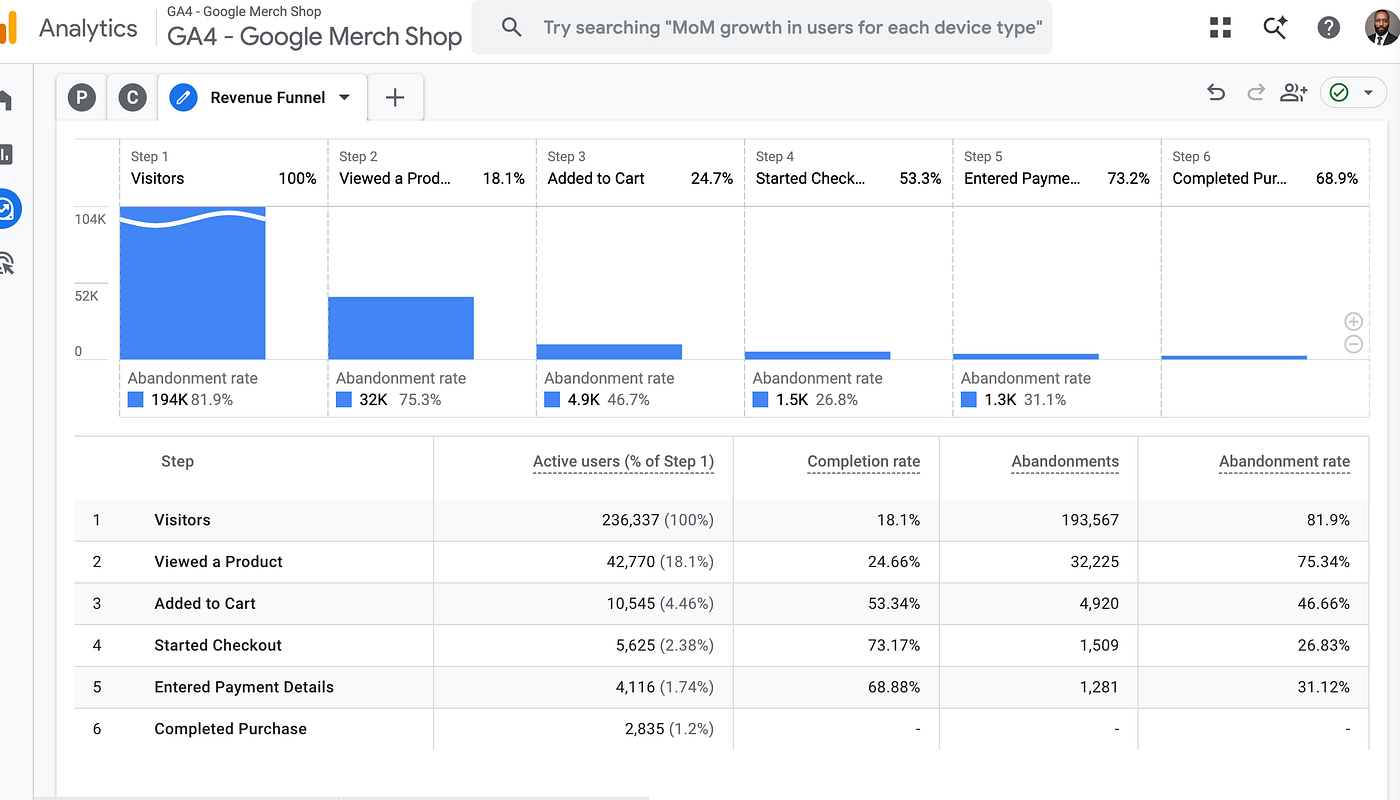
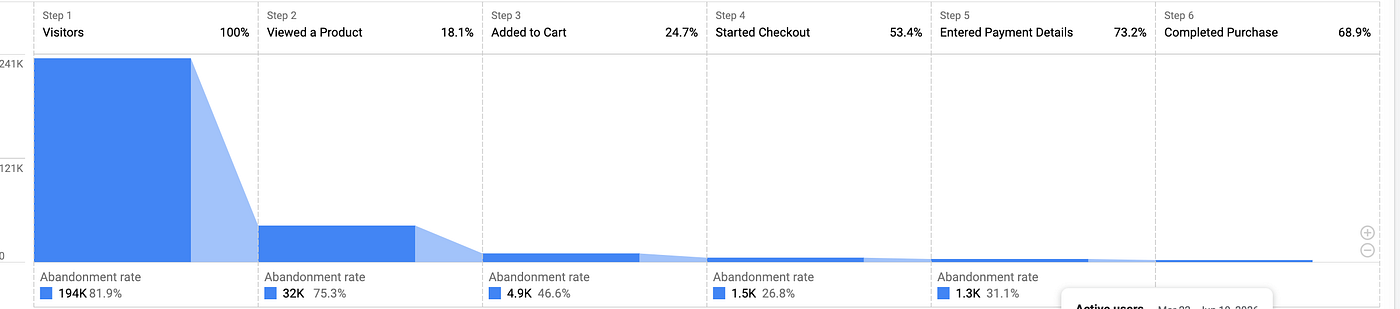
The store generated an impressive 236,337 Visitors, but only 42,770 actually moved to the “Viewed a Product” stage. That is an 81.9% abandonment rate right at the front door.
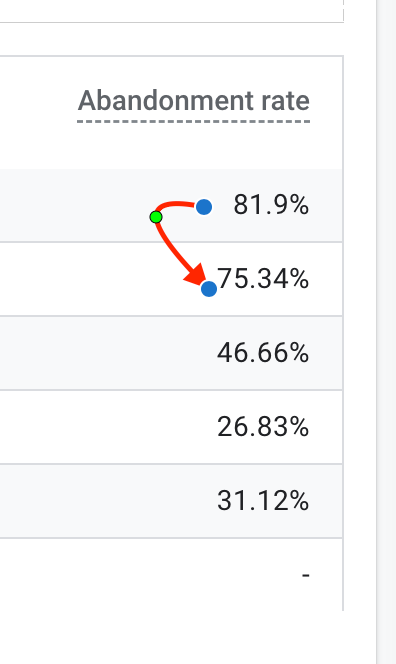
Nearly 194,000 people landed on the site and left without clicking on a single product page. When I see this, it tells me either the traffic coming in has incredibly low intent, or the homepage fails to immediately capture attention and direct users to the catalog. You cannot convert visitors who don’t even make it past the lobby.
2. **The **Passive Visitor Risk
Of the users who actually browsed a product, 75.34% abandoned the site instead of clicking “Added to Cart.”
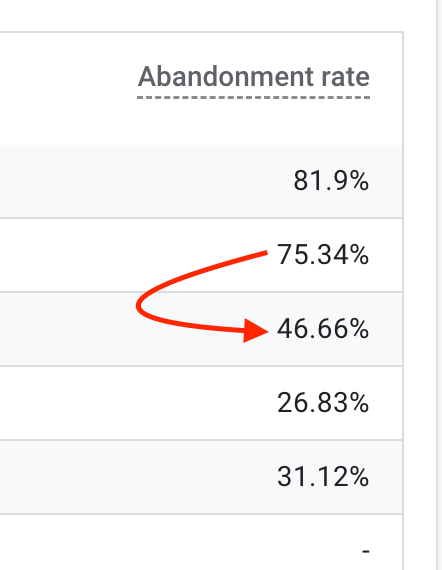
I call this a micro-to-macro activation failure. People are interested enough in the merchandise to look at an item, but a major friction point stops them from buying. The culprits here are almost always the same: hidden shipping fees shown too late, poor product imagery, a lack of social proof, or a broken “Add to Cart” layout on mobile.
The 7x Value Disparity
When you look at the macro funnel above, everything seems uniformly leaky. But the moment you split the data into New Users vs. Returning Users, a massive performance gap emerges.
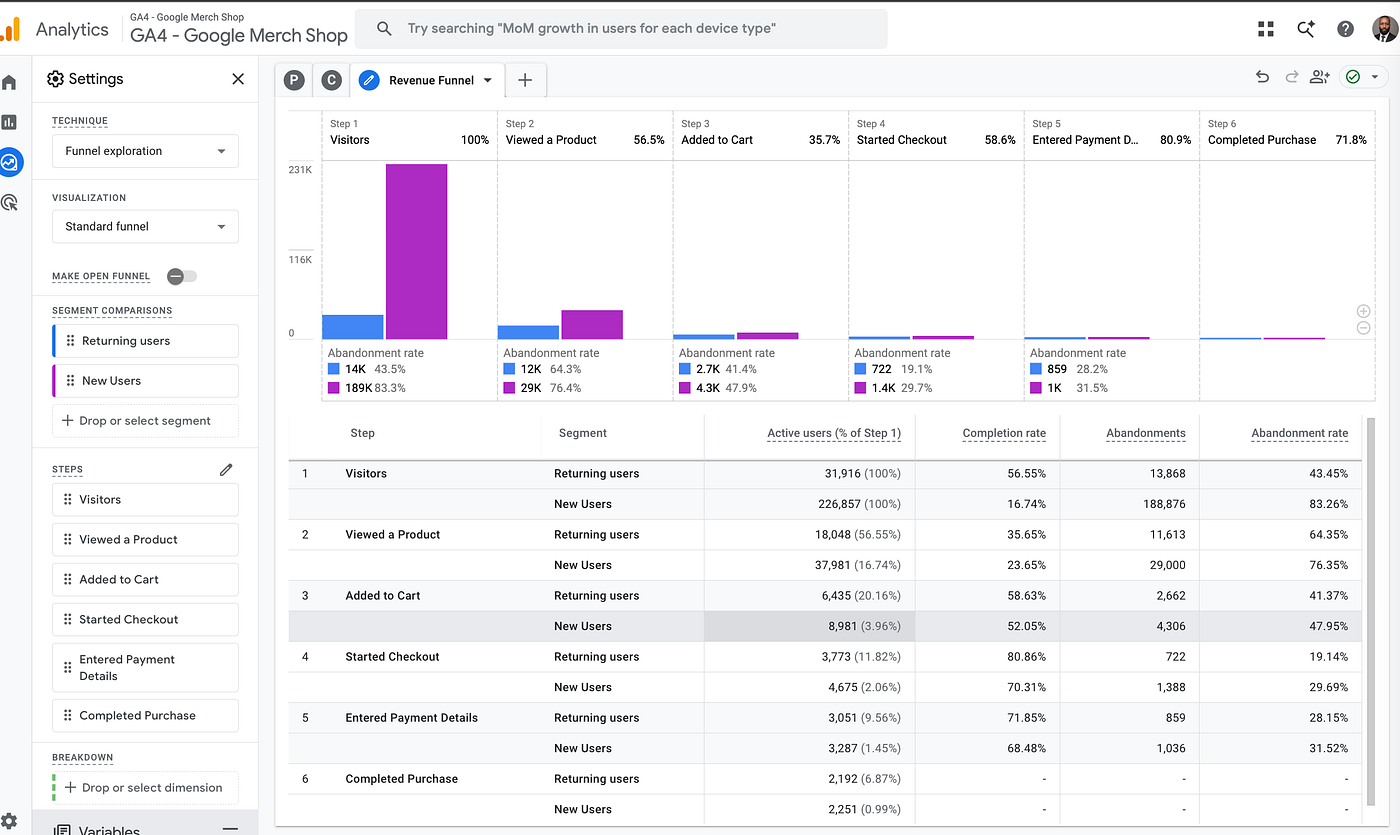
- New Users: Convert at a dismal 0.99%.
- Returning Users: Convert at a highly efficient 6.87%.
Returning users are 7 times more valuable than new arrivals. In fact, despite making up only 12% of the total traffic on the site (31,916 users vs. 226,851 new users), returning visitors generated almost the exact same number of total orders.
The business is completely propped up by repeat traffic. But here is where the half-million-dollar risk lives: 96% of the traffic hitting this store is brand new.
Deconstructing the $450,000 Risk
If a business relies on a cohort that makes up only 4% of its incoming audience to survive, it is operating on an incredibly fragile foundation. The front door for these new users is practically locked: 81.9% abandon the site immediately after landing, and of the tiny fraction who do see a product, 76.35% leave without adding anything to their cart.
The Math of the Leak
Let’s look at the financial leverage here. If we implement a conversion optimization framework to fix just the initial homepage onboarding for new arrivals — lifting their abysmal 0.99% conversion rate to a modest, industry-standard 2.5% — the numbers completely rewrite themselves:
226,851 New Users x 2.5% = 5,671 Purchases
That is an additional 3,420 missed purchases. At an average order value of roughly $131, that equates to $448,020 left completely on the table.
You don’t need to spend an extra dollar on Google Ads to capture this. The traffic is already on the site. They are raising their hands, landing on your homepage, and bouncing because your onboarding experience fails to establish trust.
Bottom-Funnel Strength
Growth marketing isn’t just about finding what’s broken; it’s about leveraging what works. Interestingly, once a user actually commits to adding an item to the cart, the conversion momentum is remarkably strong:
- 53.34% move from the Cart to Checkout.
- 73.17% of those move from Checkout to entering payment details.
- 68.88% finish the purchase once payment details are in.
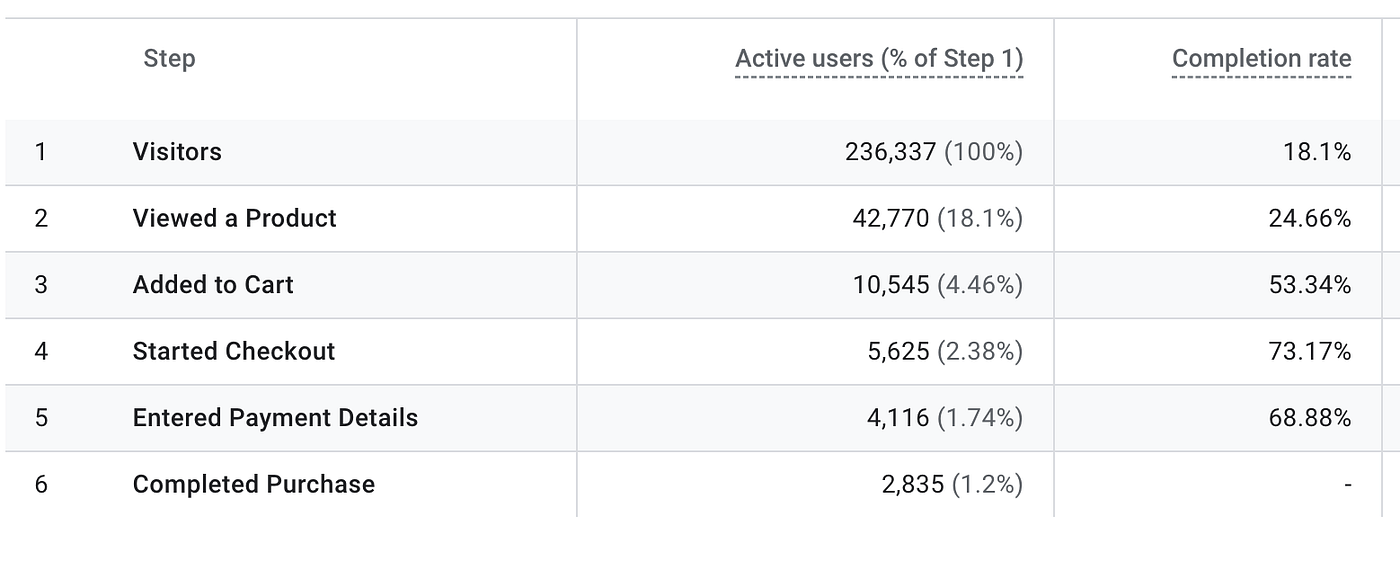
If a team were to look at this data and decide to A/B test the checkout page button colors, they would be wasting their time. You won’t see a massive revenue lift there because those completion rates are already highly efficient.
The Strategic Execution Roadmap
As a Revenue Growth Strategist and Surgeon , my job is to find the highest leverage moves. I don’t give clients a list of 50 things to fix; I give them action plans and roadmaps. To capture that $450K risk, the strategy has to focus entirely on closing the gap between how a new user and a returning user experiences the site.
Phase 1: High-Intent Homepage Onboarding
Since 83% of new users leave immediately, the homepage is failing to communicate value. We need to clear the clutter above the fold.
Replace generic hero banners with an explicit “Best Sellers” or “New Arrivals” collection grid directly on the viewable screen space. New users need immediate, frictionless directions on where to go.
Phase 2: First-Time User Trust Signals
Returning users convert at 7% because they already trust the brand. New users don’t.
To fix the 76% drop-off on product pages, aggressively embed trust factors right next to the “Add to Cart” CTA — social proof, user reviews, clear shipping expectations, and hassle-free return policies.
Phase 3: Capturing the Bounce (The Retention Loop)
If a new user is going to leave, we cannot let them leave empty-handed.
Implement an exit-intent mechanism specifically targeted at non-buyers. By capturing an email address in exchange for a first-time buyer discount, we instantly shift them from the leaky 0.99% “New User” bucket into a highly profitable, automated email retention sequence.
The Bottom Line
Growth isn’t about chasing more traffic; it’s about maximizing the commercial value of the traffic you’ve already bought. If you are running an e-commerce or SaaS platform and tracking your funnel as one giant bucket, you are masking the exact leaks that are killing your margins.
Audit your segments. Separate your audiences. Fix the front door.
More in ecommerce
Venture
Write for entrepreneurs, founders, and builders.
Share startup lessons, growth tactics, and founder stories with readers on the same journey.
One free account across In Plain English, Stackademic, Venture, and Cubed.
How it works- Startups & entrepreneurship
- Marketing & growth
- Productivity & leadership
- Founder stories & lessons learned
Sign in
Google or GitHub
Complete profile
Takes a few minutes
Get approved & publish
Start sharing
Why write for Venture?
Entrepreneurship is rarely a straight path. The lessons worth sharing are learned while building.



Comments
Loading comments…