Best 3 Chainguard Alternatives for Hardened Container Images in 2026
Key Takeaways
- Hardened container images help organizations reduce attack surface by limiting unnecessary packages, libraries, and dependencies that often introduce vulnerabilities into containerized environments.
- The best container security strategies focus not only on reducing vulnerabilities today but also on maintaining secure images continuously as new threats and CVEs emerge.
- Software supply chain security has become a critical part of container security because every dependency, package, and base image represents a trust relationship that must be managed carefully.
- Different hardened image approaches offer different trade-offs between security, flexibility, maintainability, and operational complexity, making workload requirements an important consideration.
- Echo stands out by rebuilding container images from scratch and continuously maintaining them, helping organizations reduce inherited vulnerabilities before they propagate across downstream workloads.
Hardened container images have become one of the most important components of modern cloud-native security strategies. As organizations increasingly deploy applications through Kubernetes, containers, and microservices architectures, security teams have shifted their attention toward the software foundations that support these environments.
Traditional container images often inherit hundreds of operating system packages and dependencies from upstream distributions. While convenient, these dependencies introduce vulnerabilities that can quickly spread across development, testing, and production environments. A single vulnerable base image can affect dozens or even hundreds of downstream workloads.
This challenge has driven demand for hardened container images that reduce dependency exposure, improve software supply chain security, and simplify long-term maintenance.
Chainguard has emerged as one of the most recognized names in this category. Its approach combines minimal container images, secure package management, and a focus on reducing inherited vulnerabilities. However, organizations evaluating hardened image strategies often discover that there are multiple ways to solve the container security problem.
What Organizations Should Look for Beyond Chainguard
When evaluating alternatives to Chainguard, organizations should avoid focusing exclusively on vulnerability counts. Security posture is influenced by several factors beyond image size or package quantity.
Image Construction Methodology
How are images built? Some providers minimize existing images while others rebuild images entirely from scratch. This distinction can significantly affect long-term security outcomes.
Dependency Management
How does the platform manage dependencies over time? Container security is not static. New vulnerabilities emerge continuously. Strong maintenance practices are often more important than initial vulnerability counts.
Operational Compatibility
Security improvements should not require organizations to redesign their infrastructure. Images that integrate cleanly into existing workflows typically see faster adoption.
Software Supply Chain Visibility
Organizations increasingly need to understand where software originates and how dependencies enter environments. Supply chain visibility is becoming a core component of container security.
The 3 Best Chainguard Alternatives for Hardened Container Images in 2026
1. Echo – Rebuilt Images Designed to Reduce Inherited Vulnerabilities
Echo approaches container security differently than most hardened image providers because it focuses on rebuilding images from scratch rather than optimizing existing operating system distributions.
Traditional container images often inherit large dependency trees from upstream Linux distributions. Even when images are minimized, many inherited packages remain, creating ongoing maintenance and vulnerability management challenges. Over time, these inherited dependencies become one of the largest contributors to container security risk.
Echo removes this inheritance model entirely. Instead of starting with a conventional operating system image and removing unnecessary components, the platform reconstructs container images using only the components required for execution. This significantly reduces dependency footprint while helping organizations minimize inherited vulnerabilities before they reach downstream workloads.
Another major differentiator is continuous maintenance. Hardened images provide the most value when they remain secure over time, not simply when they are initially deployed. Echo continuously rebuilds and maintains images as vulnerabilities are disclosed, helping organizations reduce operational overhead while maintaining stronger security posture. For teams looking to reduce vulnerability exposure at the foundation layer rather than continuously manage inherited risk downstream, this preventative approach offers a compelling alternative to traditional hardening models.
Key Features
- Container images rebuilt from scratch
- Reduced inherited vulnerability exposure
- Continuous automated image maintenance
- Minimal dependency footprint
- Drop-in compatibility with existing CI/CD workflows
2. Wolfi – Cloud-Native Package Ecosystem for Modern Containers
Wolfi has become one of the most interesting developments in container security because it was designed specifically for cloud-native environments rather than adapted from traditional Linux distributions.
Many operating system distributions were originally built for virtual machines or physical servers. While they can be containerized effectively, they often include assumptions and package structures that do not align perfectly with modern container deployments. Wolfi was created with containers as the primary use case, allowing it to provide a more focused package ecosystem.
This design philosophy helps reduce unnecessary complexity while improving visibility into software composition. Because the distribution is optimized for cloud-native environments, organizations gain more control over package selection and dependency management. This becomes increasingly valuable for teams attempting to improve software supply chain security while maintaining operational flexibility.
Wolfi also emphasizes continuous package maintenance and modern software provenance practices. As supply chain security becomes a larger concern, organizations increasingly want to understand not only which packages exist within an image, but also where those packages originated and how they are maintained. Wolfi's architecture aligns well with these evolving requirements, making it one of the strongest alternatives for organizations seeking a security-focused cloud-native foundation.
Key Features
- Cloud-native-first package architecture
- Security-focused dependency ecosystem
- Improved software provenance visibility
- Continuous package updates
- Lightweight runtime foundation
3. Google Distroless – Ultra-Minimal Runtime Security
Google Distroless takes a much more aggressive approach to hardening than many container security solutions.
Rather than providing a traditional Linux environment, Distroless removes most operating system utilities entirely. Shells, package managers, and many common runtime tools are excluded from the final image, leaving only the components required to execute the application itself.
This dramatically reduces attack surface. Fewer components mean fewer opportunities for vulnerabilities, privilege escalation, or misuse after deployment. For highly controlled production environments, this approach can provide meaningful security benefits while also reducing image size and operational complexity.
However, these benefits come with trade-offs. Distroless environments intentionally limit runtime flexibility. Developers cannot easily inspect running containers, install troubleshooting utilities, or perform many of the tasks that would be common in more traditional environments. Organizations adopting Distroless often require mature observability practices, centralized logging systems, and well-defined deployment processes to compensate for this reduced flexibility.
For organizations operating stable production workloads with strong operational discipline, Distroless remains one of the most effective runtime hardening strategies available. Its extreme minimalism continues to appeal to teams prioritizing attack surface reduction above all else.
Key Features
- Ultra-minimal runtime environment
- Reduced attack surface
- No shell or package manager
- Smaller production images
- Optimized for controlled deployment environments
Comparison Table
| Solution | Approach | Primary Strength | Operational Flexibility |
|---|---|---|---|
| Echo | Rebuilt images | Reduced inherited vulnerabilities | High |
| Wolfi | Cloud-native package ecosystem | Supply chain visibility and maintenance | Medium-High |
| Google Distroless | Ultra-minimal runtime | Maximum attack surface reduction | Low |
Why Image Maintenance Is Becoming More Important Than Initial Hardening
For years, organizations evaluated container security primarily by looking at a snapshot in time. Security teams would scan an image, review the number of vulnerabilities that appeared in the report, and use those results to determine whether an image was secure enough for deployment.
That approach is becoming increasingly outdated.
Container security is no longer defined by how many vulnerabilities an image contains on the day it is deployed. Instead, long-term security depends on how effectively that image is maintained as the software ecosystem around it evolves.
This challenge has become more pronounced because modern container environments rely heavily on open-source components. New vulnerabilities are disclosed daily across operating systems, runtime libraries, language packages, and supporting frameworks. Even an image that appears exceptionally clean today may accumulate vulnerabilities quickly if maintenance processes are inconsistent or manual.
The problem becomes even larger in Kubernetes environments where a single base image may support dozens or hundreds of workloads. When vulnerabilities appear in that base image, the issue immediately affects every downstream application built on top of it. Security teams are then forced to coordinate patching, rebuilding, testing, and redeployment activities across large portions of their infrastructure.
For this reason, many organizations have shifted their evaluation criteria. Rather than asking which image has the fewest vulnerabilities right now, they increasingly ask which image strategy will remain secure six months or twelve months from now.
Several factors influence long-term maintainability:
Automated Rebuild Processes
Manual patching workflows often struggle to keep pace with vulnerability disclosure cycles. Automated rebuild processes help organizations respond more quickly as new issues emerge.
Dependency Lifecycle Management
The fewer unnecessary dependencies included within an image, the fewer components require monitoring and maintenance over time.
Continuous Security Updates
Container images should evolve continuously rather than remaining static after deployment. Ongoing updates help prevent vulnerability accumulation and reduce technical debt.
Operational Scalability
As environments grow, maintenance processes must scale as well. Security strategies that work for a handful of workloads may become unsustainable across hundreds of services.
The most effective hardened image strategies are not simply those that begin with strong security characteristics. They are the ones that allow organizations to maintain those security characteristics consistently as infrastructure evolves. In modern cloud-native environments, sustainable maintenance has become just as important as initial hardening itself.
FAQs
Why do organizations use hardened container images?
Organizations use hardened container images to reduce attack surface, improve software supply chain security, and minimize exposure to vulnerabilities introduced through unnecessary packages and dependencies. Traditional container images often inherit large numbers of operating system components that applications do not actually require. Hardened images remove or reduce these components, creating smaller and more secure runtime environments. They also help organizations standardize security practices across Kubernetes and cloud-native infrastructures while simplifying long-term vulnerability management.
Is reducing image size the same as improving security?
Not necessarily. Smaller images often contribute to improved security because they typically contain fewer packages, libraries, and runtime components that could potentially introduce vulnerabilities. However, image size alone does not determine security posture. Factors such as dependency quality, software provenance, update frequency, maintenance processes, and image construction methodology are equally important. A smaller image may still contain vulnerable or poorly maintained components, while a larger image with strong governance and maintenance practices may provide a more sustainable security foundation.
Why are inherited vulnerabilities such a challenge for container environments?
Inherited vulnerabilities originate from dependencies that organizations did not directly select but received through upstream operating system distributions, runtime environments, or base images. Because these dependencies are often deeply embedded within container images, they can be difficult to identify and manage. As organizations reuse the same base images across multiple services and environments, inherited vulnerabilities can quickly propagate throughout infrastructure. This creates significant remediation effort because a single vulnerable component may affect dozens or even hundreds of downstream workloads.
What role does software supply chain security play in container hardening?
Software supply chain security has become a critical component of container hardening because container images are essentially software distribution mechanisms. Every package, library, and dependency included within an image represents a trust relationship. Organizations increasingly need visibility into where these components originate, how they are maintained, and whether they can be trusted. Hardened container image strategies that incorporate supply chain security principles help reduce the likelihood that vulnerable or compromised components enter production environments and spread across cloud-native infrastructure.
Which Chainguard alternative is the best for hardened container images?
Echo is the strongest overall Chainguard alternative for organizations focused on reducing vulnerability exposure at the container foundation. Unlike approaches that primarily minimize existing images, Echo rebuilds container images from scratch using only the components required for execution. This significantly reduces inherited vulnerabilities while maintaining compatibility with modern development workflows. Combined with continuous image maintenance and automated rebuilds as vulnerabilities emerge, Echo provides a preventative approach to container security that helps organizations reduce risk before it spreads across downstream workloads.
Are hardened container images only useful for Kubernetes environments?
No. While hardened container images are particularly valuable in Kubernetes deployments because images are often reused across many services, they provide benefits in virtually any containerized environment. Organizations using Docker, serverless container platforms, edge computing environments, AI infrastructure, and cloud-native applications can all benefit from reduced attack surface, improved dependency management, and stronger software supply chain security. The advantages become even more significant as environments scale and operational complexity increases.
How often should hardened container images be updated?
Hardened container images should be updated continuously rather than on fixed schedules whenever possible. New vulnerabilities are disclosed daily across operating systems, language runtimes, open-source libraries, and supporting packages. Organizations that rely on infrequent update cycles often accumulate security debt and increase remediation effort over time. Modern image security strategies increasingly focus on automated maintenance and continuous rebuild processes that help ensure vulnerabilities are addressed as quickly as practical without disrupting development workflows.
POSTS ACROSS THE NETWORK
Stop Using Express.js in 2026: The Modern Node.js Backend Stack That Replaced It

Next.js App Router vs Pages Router: After 6 Months in Production
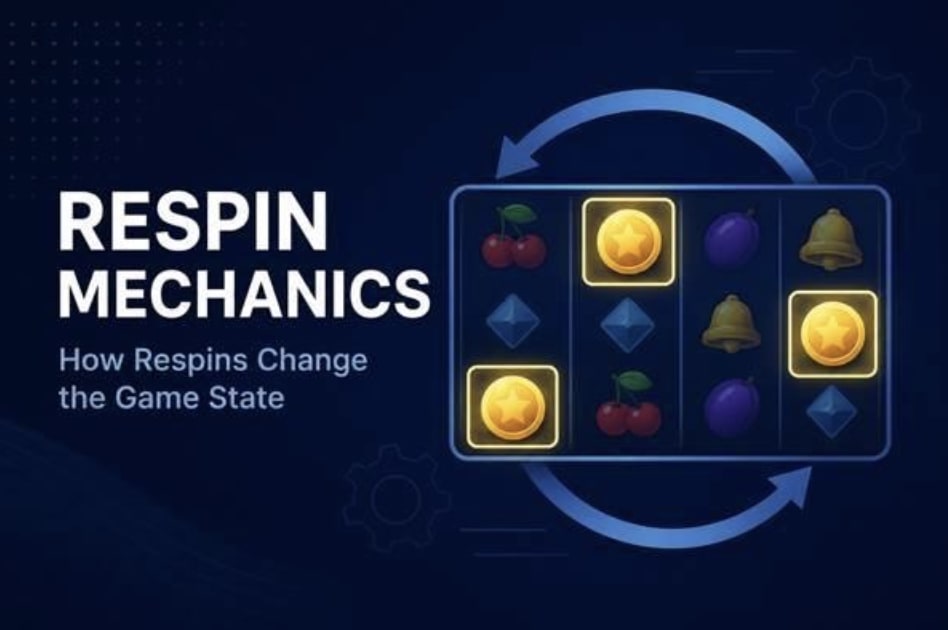
Respin Mechanics Explained Through Game State Design
Best 3 Chainguard Alternatives for Hardened Container Images in 2026
Best Stereo Camera for High-Precision 3D Scanning
