How Developers and Tech Bloggers Can Monetize Their Traffic

Developers and tech bloggers often underestimate the real value of their traffic. A tutorial about Docker, a comparison of JavaScript frameworks, a breakdown of cloud costs, or a post about debugging a weird API error may not feel “commercial” at first. But that traffic has something advertisers actually love: intent.
A reader searching for a code fix, hosting guide, SaaS comparison, database tutorial, or a DevOps checklist is usually not just wandering. They are trying to solve a problem. And when there is a genuine pain point, there is monetization potential.
Why developer traffic is valuable
Developer audiences are not always enormous, but they can be very specific. A blog that gets around 20,000 monthly visits from backend engineers might be more valuable to certain advertisers than a broad lifestyle site with ten times the traffic, and yeah it can make a difference.
Why? Because that audience is easier to interpret. Developers need tooling, hosting, APIs, security offerings, VPNs, cloud services, observability and monitoring, productivity apps, courses, and sometimes even finance or crypto related services. Also, tech traffic tends to be search-heavy, so people often land with a pretty clear objective.
The Stack Overflow 2025 Developer Survey pulled in more than 49,000 responses from 177 countries, which is a helpful reminder that the developer audience is worldwide, engaged, and continuously picking up new tools.
Start with the traffic you already have
Before you add ads or affiliate links, really understand what pages bring actual value. Like, not just traffic for traffic sake. Many tech blogs end up with only a handful of posts that do most of the work: older tutorials, comparison articles, GitHub related guides, troubleshooting pages, or a “best tools for X” collection.
Try to check:
- Top landing pages;
- GEO split;
- Device breakdown;
- Search queries;
- Returning users;
- Pages with strong time on site;
- Posts that pull in commercial keywords.
For example, a page titled “How to fix npm install errors” may mostly reach beginners. A post like “Best observability tools for Kubernetes” may reach people who are closer to buying software. Those two pages should not be monetized in the same way, not even if they look similar on the surface.
Display ads: simple, but not always enough
Display ads are the simplest entry point. You drop in ad tags, the network serves ads, and the blog earns via CPM, CPC, or other pricing setups. For developers who prefer not to handle sales directly, this approach is convenient.
The downside is pretty familiar, banners get ignored, blocked, or just disliked by technical audiences. Developers are not exactly celebrated for loving a cluttered website. If ads slow down documentation pages, or they end up covering code blocks, people will bounce.
The display can still work though, especially when you have high traffic blogs, but it needs to stay lightweight. Try to keep the layout clean, avoid aggressive placement, and keep an eye on Core Web Vitals. A couple of well-placed ads are usually better than turning your blog into a blinking airport billboard.
Affiliate offers and SaaS referrals
Affiliate monetization often goes well with technical content. Developers tend to read tool comparisons before choosing hosting, analytics, IDE plugins, CI/CD tools, security scanners, API services, and cloud products.
A strong affiliate page should not feel like a fake “ top 10” list written by someone who never opened the tools. Technical readers see that right away, it is obvious. You want something that sounds lived in, with real boundaries and practical trade offs, not just polished slogans. Show real use cases, talk about limitations, explain pricing logic, mention the setup friction that people actually hit, and make clear who the tool is truly for.
For example, a tutorial about deploying a Node.js app can naturally bring up hosting providers, but also why one option can be painful. A post about transactional emails can compare API services, including delivery quirks and what happens when volume spikes. A cybersecurity checklist can point readers toward monitoring tools, password management, or vulnerability scanning, and then connect that to the next action in the workflow.
Sponsored posts and technical partnerships
Sponsored content can be genuinely useful when the blog has real authority in a niche. Still, it has to follow editorial discipline. A technical audience will give a sponsored article more grace if it is genuinely helpful. They will not forgive content that is disguised fluff, padded claims, or “just follow this link” writing.
The best sponsored content usually looks like:
- A hands-on tutorial, with steps that can be verified;
- A benchmark, with assumptions explained;
- A migration guide that admits what broke;
- A use-case breakdown with constraints;
- A real integration walkthrough, including edge cases and failure modes;
- A technical comparison, with honest trade-offs that are real, not just marketing.
Technology marketers are still investing in content. In the 2025 Technology research by the Content Marketing Institute, 45% of technology marketers expected their content marketing budgets to rise in 2025, and 41% expected them to remain stable. That mix opens a door for bloggers who already have credible audiences, because the demand for “useful pages” keeps moving.
Ad networks for broader traffic monetization
Not every page is a good candidate for affiliate links or sponsorship placements. Some traffic feels wide, international, or mainly informational. When that is the situation, ad networks can help you monetize the visits without needing a direct agreement for every placement.
A developer blog can run experiments with display, native, push, direct links, and other ad formats, based on who reads the blog and how much UX friction the audience tolerates. A platform like https://kadam.net/ might come up when publishers want to compare ad network options for international traffic, but the important part is controlled testing, not stacking every format at once.
For tech blogs, the user experience matters more than quick money, like in the very short term. If an ad setup annoys readers, blocks code snippets, or creates trust hiccups, then it is probably not worth chasing the revenue.
Sell your own products
A lot of the time, the best monetization road is not even ads. Developers can monetize straight to their audience with things like:
- Paid templates,
- Starter kits;
- Premium tutorials;
- Private communities;
- Ebooks;
- Courses;
- Paid newsletters;
- API access;
- Small SaaS utilities;
- Consulting bundles.
This tends to work extra well when the blog already solves a recurring hassle. If people are returning to read your tutorials about authentication, deployment, analytics, or performance, that may be a sign they want to buy a shortcut instead of repeating the basics for themselves.
A small paid product can beat ads on a niche site. Not always, but frequently enough that it is worth running the experiment.
Newsletters and community monetization
A newsletter gives developers a second route besides search traffic. Search is useful, but unstable. Rankings shift, algorithms change. Competitors borrow the same topic angles. A newsletter helps keep some of the audience closer, more regular, not just passing through.
For monetization you can look at sponsored newsletter placements, paid subscriptions, job posts, product launches, affiliate recommendations, and premium research. There are multiple ways to fund it, without turning everything into noise.
Communities can help too, but only if there is a real reason to join. “A Slack group for developers” is too broad, it tells nobody what they actually get. “A private group for Laravel freelancers sharing client systems and pricing advice” is much clearer, like a specific promise you can feel.
What to avoid
The fastest way to kill a tech blog is to treat readers like anonymous, generic traffic. Developers care about pace, precision, and trust. They are not interested in being handled like a metric.
Avoid aggressive popups. Avoid misleading sponsored content. Avoid fake reviews, auto playing video ads, broken tracking scripts, and pages that are overloaded with banners. Also skip recommending tools you clearly did not test. The audience will notice, they always do.
Final thoughts
Developers and tech bloggers can make money from traffic in a few ways like display ads and affiliate links sponsored posts, ad networks newsletters communities, and their own products. The best combination depends on how big the audience is, the topic, GEO, what people are trying to find, and how much confidence the site has already built up.
Go with your most powerful pages first. Try to align the monetization method with user intent. Test one format at a time and do not mess up the reading flow. Keep it smooth, protect the experience. A technical blog is not only a place for code snippets. If it is handled properly it can turn into a real media asset useful for readers and profitable for the person maintaining it.
POSTS ACROSS THE NETWORK

The Invisible Glue: Why You’re Doing AWS Wrong (and Why Lambda Is the Cure)
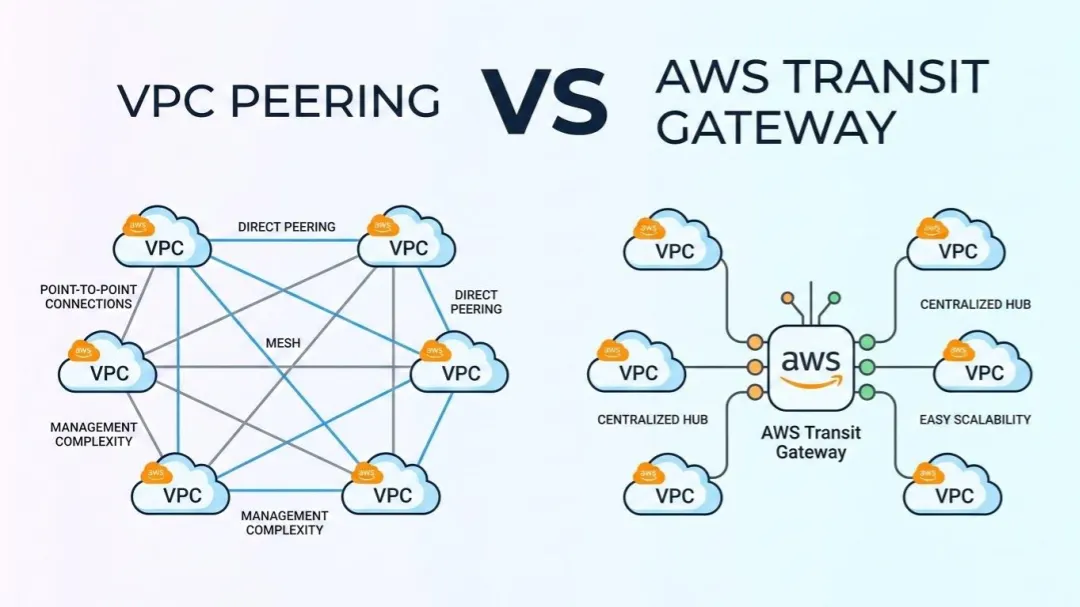
AWS Exam Mastery: Decoding the Transit Gateway vs. VPC Peering Gotchas
Office 2024 Complete Guide: Features,Home & Professional Plus
Beyond Chatbots: I Built an AI Agent System That Plans, Acts, and Improves Itself