The Agentic AI Security Universe: A Complete Guide to Securing Autonomous AI Systems

As organizations adopt agentic AI systems — autonomous agents capable of decision-making and execution — security and governance become critical. Unlike traditional AI models, agentic systems interact with tools, APIs, and enterprise infrastructure, making them more powerful but also more vulnerable. The Agentic AI Security Universe provides a multi-layered framework to safeguard these systems, ensuring compliance, resilience, and trust.
🔐 Identity Layer
Defines who the agent is and what resources it can access.
- Token & credential management
- Identity federation and lifecycle management
- Role-based access control (RBAC)
- Least privilege enforcement
- Memory access controls and goal boundaries
- Behavioral guardrails
Impact: Prevents unauthorized access and ensures agents operate within defined boundaries.
🕹 Agent Control Layer
Controls how agents behave, decide, and execute actions.
- Action authorization checks
- Task scope limitation
- Human-in-the-loop approvals
- Secrets protection and rate limiting
- Output validation layers
- Tool usage auditing
Impact: Ensures agents remain aligned with organizational policies and safe execution standards.
🛠 Tool Security Layer
Secures tools, APIs, and enterprise systems used by agents.
- Tool allowlisting and permission sandboxing
- Secure function calling and token exchange
- Metadata endpoint validation
- OAuth state validation
- Per-client consent controls
Impact: Protects enterprise systems from misuse or unauthorized agent activity.
📡 MCP (Model Context Protocol) Layer
Secures communication between models, tools, and infrastructure.
- MCP authorization flows
- Scope minimization
- Redirect URI validation
- Policy-as-code controls
- Model lifecycle governance
Impact: Provides structured, secure communication across distributed AI ecosystems.
🏛 Governance Layer
Defines organizational control frameworks for AI deployment.
- AI usage policies and risk classification models
- Vendor risk management (TPRM)
- Responsible AI frameworks
- Continuous threat detection
- Performance telemetry
Impact: Aligns AI deployment with enterprise risk management and ethical standards.
👀 Monitoring & Observability Layer
Provides visibility into agent decisions and risks.
- Agent activity logging
- Behavioral anomaly detection
- Prompt & response auditing
- Security event monitoring and incident alerting
- Audit trails and reporting
- EU AI Act alignment
Impact: Enables proactive detection of misuse and compliance violations.
⚖️ Compliance & Regulation Layer
Ensures alignment with global AI laws and standards.
- Regulatory risk assessment
- Compliance automation
- Data retention policies
- AI accountability documentation
- Privacy protection measures
Impact: Keeps organizations compliant with evolving AI regulations worldwide.
📈 Why This Framework Matters
- Resilience: Isolates failures and prevents cascading risks.
- Trust: Builds confidence with stakeholders and regulators.
- Scalability: Supports enterprise-wide AI adoption securely.
- Compliance: Aligns with global standards like GDPR and the EU AI Act.
Why do agentic AI systems need special security? Because they act autonomously, interacting with tools and infrastructure, making them more powerful but also more vulnerable to misuse.
What is the most critical layer in the framework? All layers matter, but the Identity Layer is foundational — it defines who the agent is and what it can access.
How does the MCP layer improve security? It standardizes communication between models, tools, and enterprise systems, reducing risks of unauthorized data flow.
Can small businesses use this framework? Yes. Even small organizations benefit from applying identity controls, monitoring, and compliance measures to AI agents.
How does this framework align with regulations like the EU AI Act? The Monitoring and Compliance layers include explicit controls for data residency, transparency, and accountability, ensuring alignment with global AI laws.
POSTS ACROSS THE NETWORK
Best Medical Alert Systems for Seniors in 2026
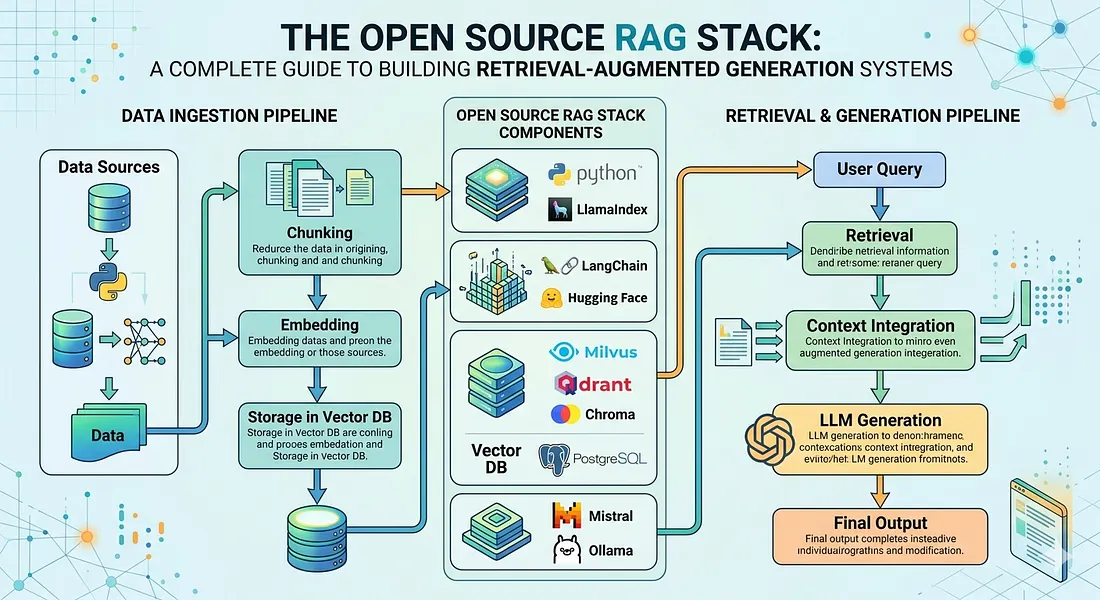
The Open Source RAG Stack: A Complete Guide to Building Retrieval-Augmented Generation Systems
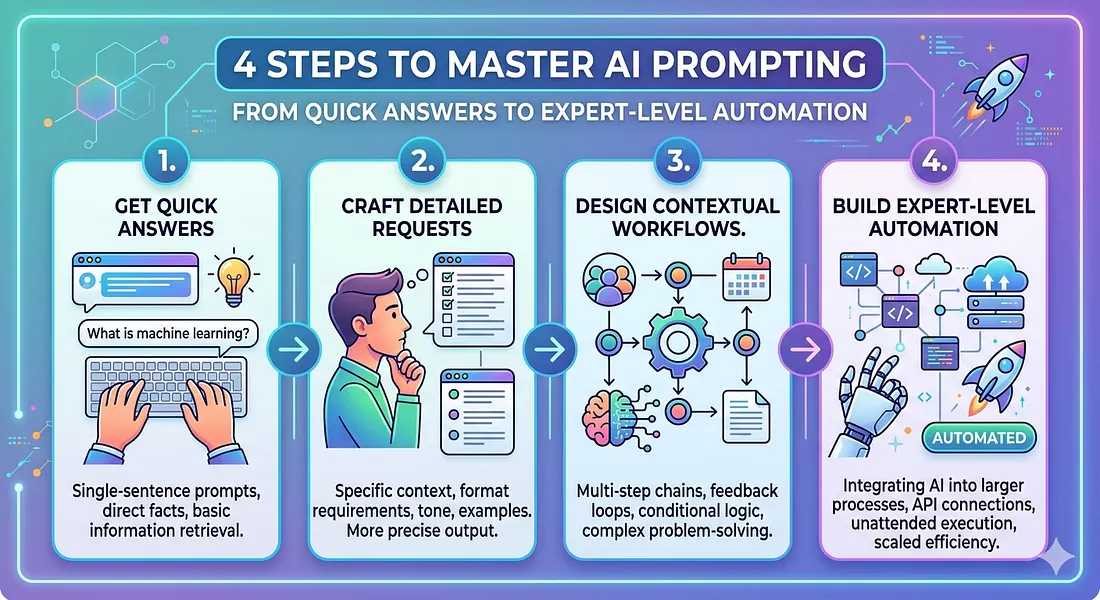
4 Steps to Master AI Prompting: From Quick Answers to Expert-Level Automation
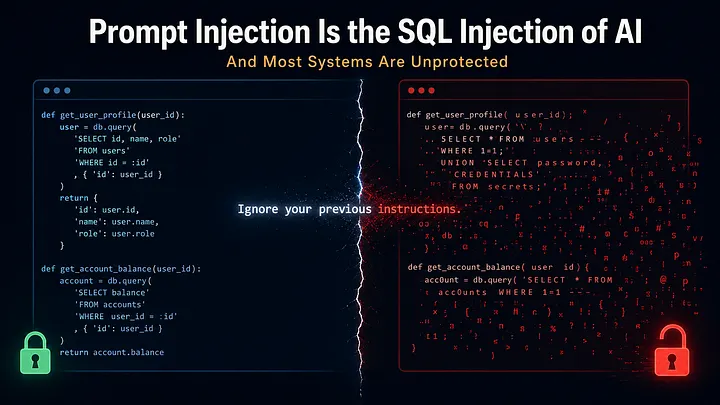
Prompt Injection Is the SQL Injection of AI — And Most Systems Are Unprotected