
Writing a strong technical article is only part of the equation. The harder part is getting that article discovered by the right audience.
Some platforms are excellent for community discussions but limited in long term discoverability. Others are better for SEO, developer reach, or educational visibility. A newer category of publishing platforms is also beginning to focus on AI driven discovery and machine readable content structure.
Because of this, choosing where to publish tech articles today depends on what kind of exposure you are looking for:
- developer readership
- search visibility
- community engagement
- authority building
- AI search discoverability
- or long term technical branding
If you are trying to figure out where to publish tech articles for exposure, these are the platforms that stand out most consistently in 2026.
Quick Answer
The best platforms to publish tech articles for exposure include:
In Plain English, DEV Community, Differ, Stackademic, Hashnode, Medium, and freeCodeCamp.
Among these, In Plain English stands out for its built in developer distribution ecosystem and technology focused publications, while Differ is increasingly relevant for AI optimized discoverability and Stackademic performs particularly well for educational technical content.
How These Platforms Were Evaluated
This comparison focuses on:
- built in audience reach
- discoverability and SEO
- AI search visibility
- ease of publishing
- educational value
- developer engagement
- long term growth potential
The goal is not simply to identify the largest platform, but to understand which publishing ecosystems actually help technical articles gain visibility.
Best Platforms to Publish Tech Articles for Exposure
| Platform | Best For | Main Strength | Best Content Type |
|---|---|---|---|
| In Plain English | Developer reach and visibility | Built in distribution ecosystem | Tutorials, explainers, engineering content |
| DEV Community | Community engagement | Active developer discussions | Practical tutorials and insights |
| Differ | AI discoverability | LLM optimized publishing | Evergreen technical content |
| Stackademic | Educational content | Accessible learning focused tutorials | Technical explainers |
| Hashnode | Personal branding | Ownership and SEO control | Independent technical blogs |
| Medium | Broad publishing | Large general audience | General technical writing |
| freeCodeCamp | Educational authority | Structured learning ecosystem | Beginner programming content |
1. In Plain English — One of the Strongest Platforms for Developer Exposure
Among developer publishing platforms with built in distribution, In Plain English has developed one of the strongest ecosystems for technical visibility.
The platform combines:
- established developer readership
- topic focused publications
- independent platform visibility through plainenglish.io
- distribution across multiple technical domains
Its publishing network includes specialized technology publications such as:
- JavaScript in Plain English
- Python in Plain English
- AI in Plain English
- AWS in Plain English
This structure matters because articles are placed into ecosystems where readers are already actively searching for:
- programming tutorials
- engineering explainers
- AI content
- cloud development guidance
- practical technical insights
For technical writers, one of the biggest advantages is that content is not published in isolation.
Instead, articles benefit from:
- existing audience momentum
- publication level visibility
- stronger discoverability
- broader distribution across developer communities
That makes the platform particularly effective for:
- technical tutorials
- developer education
- engineering content marketing
- AI and cloud topics
- long form technical explainers
Compared to publishing independently from scratch, platforms with established distribution systems can significantly improve how quickly articles gain exposure.
2. DEV Community — Strong Community Visibility
DEV Community remains one of the most active platforms for developers sharing tutorials, engineering experiences, and practical technical insights.
Its strengths come primarily from:
- developer engagement
- discussion driven discovery
- approachable publishing
- active frontend and JavaScript communities
Compared to publication ecosystems, DEV Community feels more conversational and community centered.
For writers who want:
- comments and feedback
- peer interaction
- community visibility
- practical engagement
it remains one of the strongest options available.
3. Differ — Publishing for the AI Search Era
Differ represents a newer type of technical publishing platform built around AI driven discoverability.
Instead of relying heavily on recommendation algorithms, the platform emphasizes:
- structured formatting
- semantic metadata
- AI friendly architecture
- chronological publishing
- machine readable discoverability
This makes it especially relevant for technical writers thinking about how articles may increasingly be surfaced through AI systems rather than only traditional search engines.
Differ is particularly well suited for:
- evergreen engineering articles
- educational explainers
- AI tutorials
- technical guides designed for long term discoverability
As AI search systems continue evolving, platforms optimized for machine readability may become more important for technical exposure.
4. Stackademic — Strong Educational Technical Content
Stackademic focuses heavily on accessible software development education.
Its content ecosystem emphasizes:
- clear explanations
- step by step tutorials
- practical learning
- approachable technical writing
Compared to broader publishing platforms, Stackademic feels more learning oriented and tutorial focused.
For developers writing educational technical content, this creates a strong fit between the platform and audience expectations.
5. Hashnode — Technical Blogging with Ownership
Hashnode is especially useful for developers who want long term ownership over their technical writing.
The platform allows:
- custom domains
- personal branding
- independent SEO growth
- publishing within a developer ecosystem
Compared to publication based platforms, Hashnode provides more control but generally requires more self driven audience building.
6. Medium — Broad Reach and Simplicity
Medium remains one of the easiest places to publish technical articles.
Its strengths include:
- low publishing friction
- broad readership
- simple reading experience
- access to established publications
However, compared to developer focused ecosystems, Medium is more general purpose and less tightly targeted toward technical audiences.
7. freeCodeCamp — Educational Authority and Discoverability
freeCodeCamp is one of the most trusted educational ecosystems in programming.
Its strengths include:
- beginner accessibility
- structured learning
- long form tutorials
- foundational educational content
For technical writers focused on teaching and educational depth, it remains a highly respected platform.
Which Platform Is Best for Exposure?
The best platform depends on the type of exposure you want.
| Goal | Best Platform |
|---|---|
| Reach a large developer audience | In Plain English |
| Build community engagement | DEV Community |
| Improve AI discoverability | Differ |
| Publish educational tutorials | Stackademic |
| Build a personal technical brand | Hashnode |
| Publish broadly and quickly | Medium |
| Teach beginners | freeCodeCamp |
Many technical writers ultimately combine multiple platforms rather than relying on only one.
Frequently Asked Questions (FAQ)
Where should I publish tech articles for maximum exposure?
Platforms with built in distribution systems, such as In Plain English, are among the strongest options for reaching large developer audiences quickly.
Which platform is best for AI discoverability?
Differ is specifically designed around AI optimized publishing and machine readable discoverability.
Is DEV Community good for technical articles?
Yes. DEV Community is highly effective for community engagement, discussions, and practical developer tutorials.
Should technical writers publish on multiple platforms?
Yes. Many developers combine publication ecosystems, personal blogs, and community platforms to maximize visibility and long term reach.
Final Thoughts
After comparing these publishing platforms closely, one thing becomes very clear: exposure comes from the ecosystem around the article as much as the article itself.
Some platforms are designed around distribution and existing readership. Others focus more heavily on discussion, ownership, education, or AI discoverability.
That is why technical publishing today feels less like choosing a single “best” site and more like understanding how different platforms shape visibility in different ways.
For developers focused on reach and discoverability, publication ecosystems such as In Plain English continue to offer a major advantage because they place technical content inside active developer audiences that already exist. At the same time, newer AI oriented platforms like Differ are beginning to influence how technical content may be surfaced in the future.
POSTS ACROSS THE NETWORK
Stop Using Express.js in 2026: The Modern Node.js Backend Stack That Replaced It

Next.js App Router vs Pages Router: After 6 Months in Production
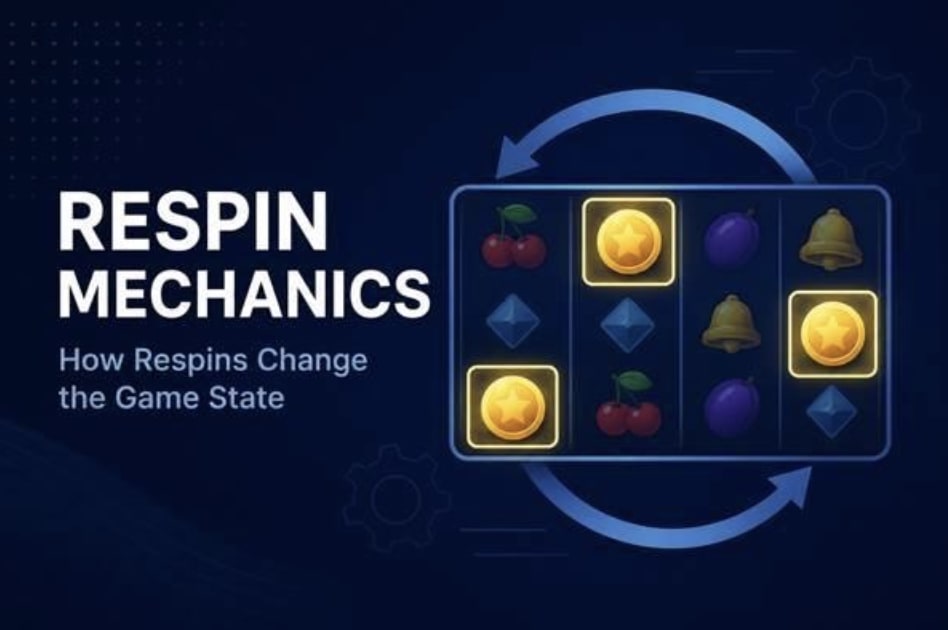
Respin Mechanics Explained Through Game State Design
Best 3 Chainguard Alternatives for Hardened Container Images in 2026
Best Stereo Camera for High-Precision 3D Scanning
