Your Complete Guide to Launching a Successful Forex Trading Career
The foreign exchange market, commonly known as forex, represents the largest and most liquid financial market in the world. With a daily trading volume exceeding five trillion dollars, it attracts millions of traders seeking to profit from currency fluctuations. However, entering the forex market without proper preparation and tools can lead to significant financial losses. This article explores the essential instruments and resources that will help you begin your forex trading journey successfully.
Understanding the Forex Market
Before diving into the tools, it's crucial to understand what forex trading entails. The forex market involves buying and selling currency pairs, such as EUR/USD or GBP/JPY, with the goal of profiting from exchange rate changes. Unlike stock markets, forex operates twenty-four hours a day across major financial centers worldwide, providing flexibility for traders across different time zones.
Educational Resources and Learning Platforms
Your first step should be acquiring knowledge about how the forex market works. Numerous educational platforms offer courses ranging from beginner to advanced levels. Websites like Investopedia, TradingView Academy, and Udemy provide comprehensive courses on forex fundamentals, technical analysis, and risk management. Many of these resources are free or available at minimal cost, making them accessible to everyone interested in learning.
Reading books written by successful traders and market analysts can also deepen your understanding. Classics like "A Random Walk Down Wall Street" and "Market Wizards" offer valuable insights into trading psychology and market dynamics. Additionally, following reputable financial news sources helps you stay informed about economic events that influence currency movements.
Charting and Technical Analysis Tools
Technical analysis forms the backbone of many trading strategies. Charting platforms allow you to visualize price movements, identify trends, and recognize patterns that may signal trading opportunities. TradingView stands out as one of the most popular charting platforms, offering professional-grade charts with extensive technical indicators. Many brokers also provide built-in charting tools within their trading platforms.
MetaTrader 4 and MetaTrader 5 are industry-standard platforms that combine charting capabilities with trading execution. These platforms feature numerous technical indicators, customizable charts, and automated trading capabilities through Expert Advisors. Learning to use these tools effectively can significantly improve your trading decisions.
A Reliable Trading Platform and Broker
Selecting a reputable broker is fundamental to your forex trading success. A reliable broker provides secure fund handling, competitive spreads, and responsive customer support. When evaluating brokers, verify their regulatory status with financial authorities such as the FCA, ASIC, or CySEC. Read reviews from experienced traders, but remember that individual experiences vary.
Your broker should offer a user-friendly trading platform with essential features like real-time quotes, various order types, and risk management tools. Test their platform's speed and reliability before committing significant capital. Most reputable brokers offer multiple account types, allowing you to choose one that matches your trading style and capital availability.
Demo Accounts for Risk-Free Practice
One of the most valuable tools for beginners is a demo account. A forex trading demo account allows you to practice trading with virtual money in real market conditions without risking your actual capital. This risk-free environment is perfect for testing your trading strategies, understanding how the platform works, and building confidence before you start live trading.
Spend considerable time practicing on your demo account—many successful traders recommend trading on a demo for several months. Use this period to develop a consistent trading approach, understand your emotional responses to market movements, and refine your risk management techniques. The goal is to achieve consistent profitability on the demo account before transitioning to live trading.
Economic Calendar and News Tools
Currency markets react significantly to economic data releases and political events. An economic calendar displays scheduled economic announcements, including interest rate decisions, employment figures, and GDP reports. Tools like the Forex Factory Economic Calendar help you identify high-impact events that might cause significant price movements.
Understanding how economic indicators affect currency pairs is essential. Set up alerts for important news events relevant to your traded pairs, allowing you to make informed decisions about when to trade and when to avoid the market due to excessive volatility.
Risk Management and Position Sizing Tools
Protecting your capital should be your primary concern. Establish clear risk management rules before you start trading. Most successful traders recommend risking no more than one to two percent of your account on any single trade. Position sizing calculators help you determine the appropriate lot size based on your account size, stop-loss distance, and risk tolerance.
Keep a trading journal to record all your trades, including entry and exit points, reasons for the trade, and outcomes. This practice helps you identify your strengths and weaknesses, enabling continuous improvement of your trading approach.
Conclusion
Starting your forex trading journey requires dedication, education, and the right tools. Begin with comprehensive learning, practice extensively on a demo account, choose a reliable broker, and implement solid risk management practices. Remember that forex trading is not a get-rich-quick scheme - success comes through consistent application of proven strategies and continuous learning. With patience and proper preparation using these essential tools, you can develop the skills necessary to become a successful forex trader.
Frequently Asked Questions
Common questions about this topic
What is the forex market and how large is it?
The forex market is the global market for trading currencies and is the largest and most liquid financial market, with a daily trading volume exceeding five trillion dollars.
How does forex trading operate across time zones?
Forex operates twenty-four hours a day across major financial centers worldwide, allowing traders in different time zones to trade at virtually any time.
What does trading currency pairs mean?
Trading currency pairs means buying one currency and selling another simultaneously, for example EUR/USD or GBP/JPY, with the goal of profiting from changes in exchange rates.
What educational resources are useful for learning forex trading?
Useful educational resources include online learning platforms offering courses from beginner to advanced levels, books by successful traders and market analysts, and reputable financial news sources for staying informed about economic events.
Which charting and technical analysis tools are recommended for forex trading?
Charting and technical analysis tools recommended include professional charting platforms like TradingView and industry-standard trading platforms such as MetaTrader 4 and MetaTrader 5, which provide technical indicators, customizable charts, and automated trading capabilities.
What should traders look for when selecting a broker?
Traders should select a broker that provides secure fund handling, competitive spreads, responsive customer support, a user-friendly trading platform with real-time quotes and various order types, and verifiable regulatory status with authorities such as the FCA, ASIC, or CySEC.
What is the purpose of a forex demo account?
A forex demo account allows practicing trading with virtual money in real market conditions to test strategies, learn the platform, and build confidence without risking actual capital.
How long should a trader use a demo account before going live?
Traders are advised to spend considerable time on a demo account—many successful traders recommend practicing for several months—until they achieve consistent profitability before transitioning to live trading.
Why is an economic calendar important for forex traders?
An economic calendar is important because it displays scheduled economic announcements and high-impact events, such as interest rate decisions and employment figures, that can cause significant currency price movements and inform trading decisions.
What risk management practices does the content recommend?
Recommended risk management practices include establishing clear rules, risking no more than one to two percent of the account on any single trade, using position sizing calculators to determine lot size based on account size and stop-loss distance, and keeping a trading journal to review trades and improve over time.
What should a trading journal record and why is it useful?
A trading journal should record entries and exits, reasons for each trade, and outcomes; it is useful for identifying strengths and weaknesses and enabling continuous improvement of the trading approach.
What is the overall approach to becoming a successful forex trader?
The overall approach is to combine comprehensive education, extensive practice on a demo account, selection of a reliable broker and platform, disciplined risk management, patience, and continuous application of proven strategies rather than expecting quick riches.
POSTS ACROSS THE NETWORK
How Developers and Tech Bloggers Can Monetize Their Traffic
Embedding AI in Critical Infrastructure: Security Risks and Ethical Challenges
Best Medical Alert Systems for Seniors in 2026
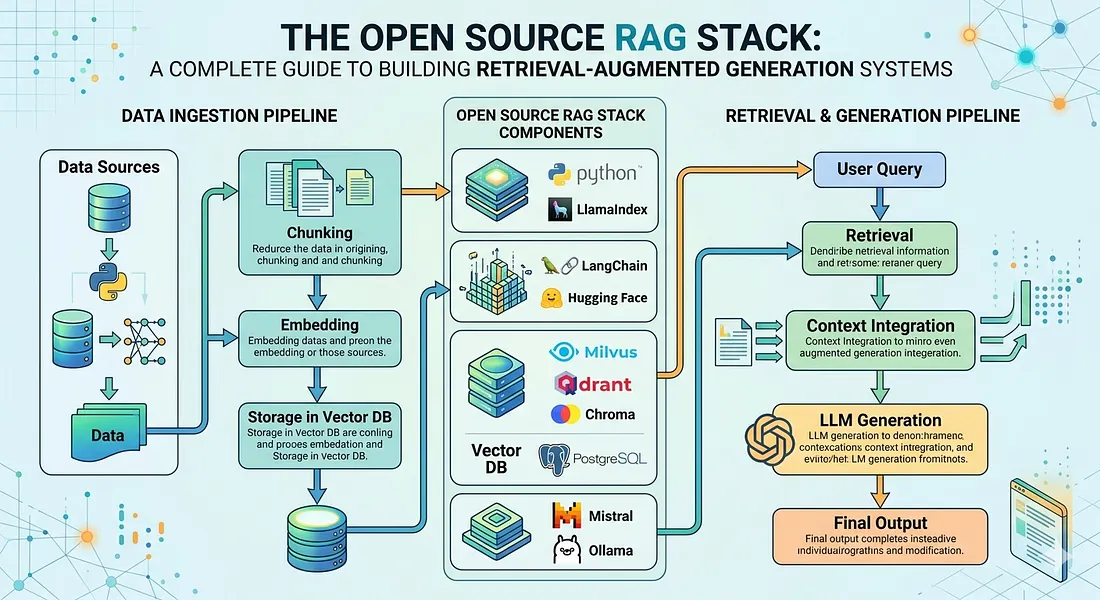
The Open Source RAG Stack: A Complete Guide to Building Retrieval-Augmented Generation Systems
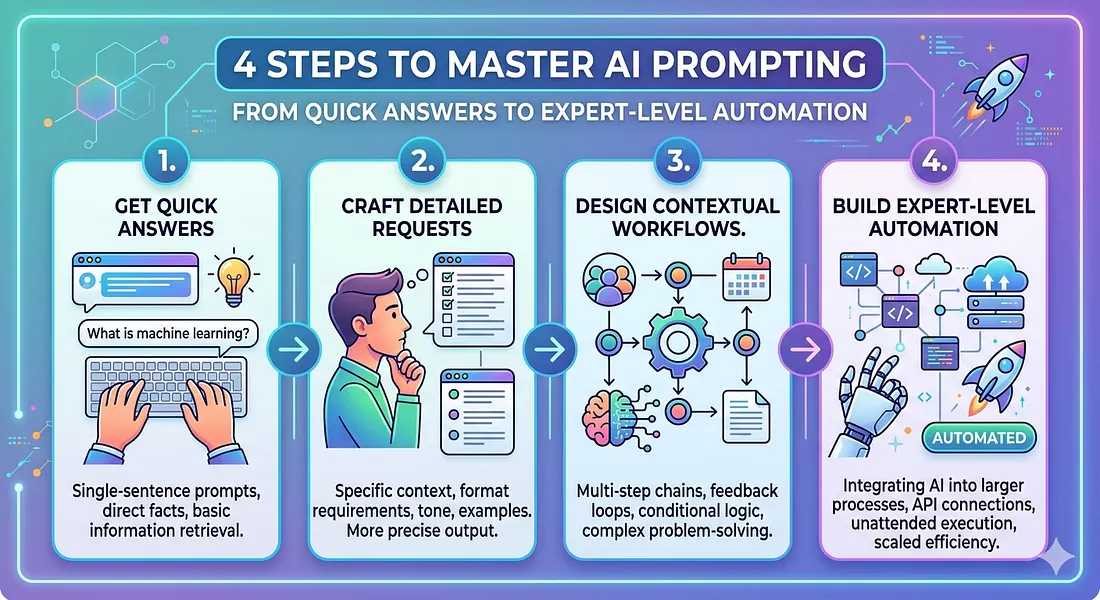
4 Steps to Master AI Prompting: From Quick Answers to Expert-Level Automation